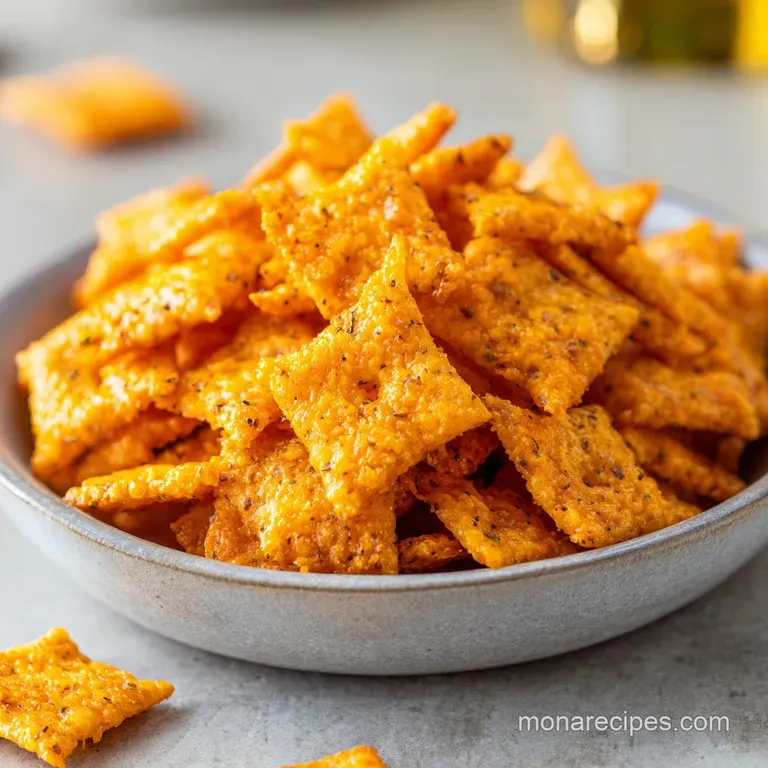
Homemade Cheez Its: Shatteringly Crispy and Savory
- Time:15 minutes active + 20 minutes chilling = 50 minutes total
- Flavor/Texture Hook: Shatteringly crisp with a sharp, buttery finish
- Perfect for: School lunchboxes, party appetizers, or late night cravings
- Master Your Own Homemade Cheez Its Recipe
- Science of the Shattering Crunch
- Crucial Recipe Specifications and Metrics
- Selecting Superior Cheese and Flour
- Essential Gear for Crispy Crackers
- Precision Method for Golden Squares
- Fixing Sogginess and Flavor Issues
- Flavor Variations and Creative Twists
- Guidelines for Freezing and Reheating
- Best Pairings for Savory Snacks
- Recipe FAQs
- 📝 Recipe Card
Master Your Own Homemade Cheez Its Recipe
There is a specific, high pitched crackle that happens when you bite into a real cheddar cracker. It’s not just a crunch; it’s a delicate shatter that dissolves into a salty, sharp umami finish.
For a long time, I thought that texture was only possible through industrial machinery and additives I couldn't pronounce. I tried versions with melted butter, versions with milk, and even versions with yeast. Most of them ended up tasting like tiny biscuits delicious, sure, but not the snack I was looking for.
The turning point was realizing that the hero of this story is the cheese itself, specifically 8 oz of extra sharp cheddar. In most crackers, cheese is a secondary flavor, but in this homemade cheez its recipe, the cheese acts as both the primary fat source and the flavor base.
When you use pre shredded cheese from a bag, it's coated in potato starch or cellulose to keep it from clumping. That coating is the enemy of a good cracker. It prevents the cheese from fully integrating with the flour, leaving you with a grainy texture.
We are going for precision here. This isn't a "throw it in a bowl and hope" kind of bake. We are treating the dough like a savory shortcrust pastry. By pulsing the ingredients just enough to coat the flour in fat, we limit gluten formation. This ensures that every bite is crispy rather than chewy.
Once you pull a tray of these golden squares out of the oven and hear that first "snap," you'll never look at the red box in the grocery store the same way again.
Science of the Shattering Crunch
To get that professional grade texture at home, we have to look at how the molecules interact under heat. It’s not magic; it’s thermodynamics.
- Starch Interference: The addition of 1 tbsp cornstarch disrupts the protein chains in the all purpose flour, creating a "shorter" crumb that snaps instead of bends.
- Vapor Pressure: Poking a hole in the center (docking) allows steam to escape during the bake, preventing the crackers from puffing up like little pillows and keeping them flat and dense.
- Solid State Fat: Keeping the 4 tbsp unsalted butter chilled and cubed ensures that tiny pockets of fat remain intact until they hit the 350°F oven, where they melt and leave behind airy micro voids.
- Cold Hydration: Using ice cold water prevents the butter from melting during the mixing phase, which is essential for maintaining the structural integrity of the dough.
| Comparison Metric | Fast (store-bought) | Classic (This Recipe) |
|---|---|---|
| Primary Fat | Vegetable Oils | Butter & Whole Cheese |
| Texture | Airy but brittle | Dense, flaky shatter |
| Flavor Profile | Salty/Artificial | Sharp, aged cheddar |
The difference between a "bread like" cracker and a "snapping" cracker comes down to how you handle the fat. If the butter or cheese gets too warm during the pulsing stage, it will soak into the flour, making the dough heavy.
By keeping everything cold, we ensure the fat only melts once it's in the oven, which is the secret to that legendary texture.
Crucial Recipe Specifications and Metrics
Before we start, let's look at the numbers that define success. Accuracy matters when you're working with such thin dough. Even a few extra minutes in the oven can turn a golden cracker into a burnt one.
I’ve tested this across various oven types, and the 1/8 inch thickness is the absolute sweet spot for a consistent bake.
| Servings | Dough Thickness | Pan Type | Cook Time |
|---|---|---|---|
| 2 People | 1/8 inch | Small Baking Sheet | 12 minutes |
| 6 People | 1/8 inch | Two Large Sheets | 15 minutes |
| 12 People | 1/8 inch | Four Large Sheets | 18 minutes (rotate) |
If you are cooking for a larger crowd, don't try to roll the dough thicker to save space. A thicker cracker will stay soft in the middle, losing that "cheez it" character. Instead, work in batches or use multiple racks in your oven, making sure to rotate them halfway through the 15 minutes of baking time to ensure even browning.
Selecting Superior Cheese and Flour
The foundation of this homemade cheez its recipe rests entirely on the quality of your cheddar. I cannot stress this enough: buy a block and grate it yourself. We are looking for "Extra Sharp" because the aging process reduces moisture and intensifies flavor.
A younger, mild cheddar has too much water, which can turn your dough into a sticky mess that won't crisp up properly.
- 8 oz Extra Sharp Cheddar: Provides the structural fat and the punchy, savory soul of the cracker. Why this? Hand grating avoids anti clumping agents that ruin the texture.
- 1 cup All Purpose Flour: The structural backbone that holds the cheese and butter together. Why this? Provides enough protein for structure without being too tough.
- 4 tbsp Unsalted Butter: Adds a secondary layer of richness and creates flakiness. Why this? Unsalted allows you to control the seasoning with the sea salt.
- 1 tsp Fine Sea Salt: Enhances the natural sharpness of the cheese. Why this? Fine grains distribute more evenly through the dry ingredients.
- 1/2 tsp Smoked Paprika: Adds depth and that classic orange hue. Why this? Provides a subtle earthy note that balances the salt.
- 1 tbsp Cornstarch: Softens the flour's gluten. Why this? It's the secret to getting a "snap" rather than a "crunch."
| Original Ingredient | Substitute | Why It Works |
|---|---|---|
| Extra Sharp Cheddar | Sharp White Cheddar | Same fat/moisture profile. Note: Cracker will be pale unless you add extra paprika. |
| All Purpose Flour | Whole Wheat Pastry Flour | Similar protein content. Note: Adds a nuttier flavor and slightly denser texture. |
| Unsalted Butter | Cold Salted Butter | Similar fat content. Note: Reduce the added sea salt by half to compensate. |
Using the right flour is just as important as the cheese. While you might be tempted to use bread flour for more "strength," the high protein content will make the crackers way too hard. Stick with all purpose for that perfect balance of strength and tenderness.
Essential Gear for Crispy Crackers
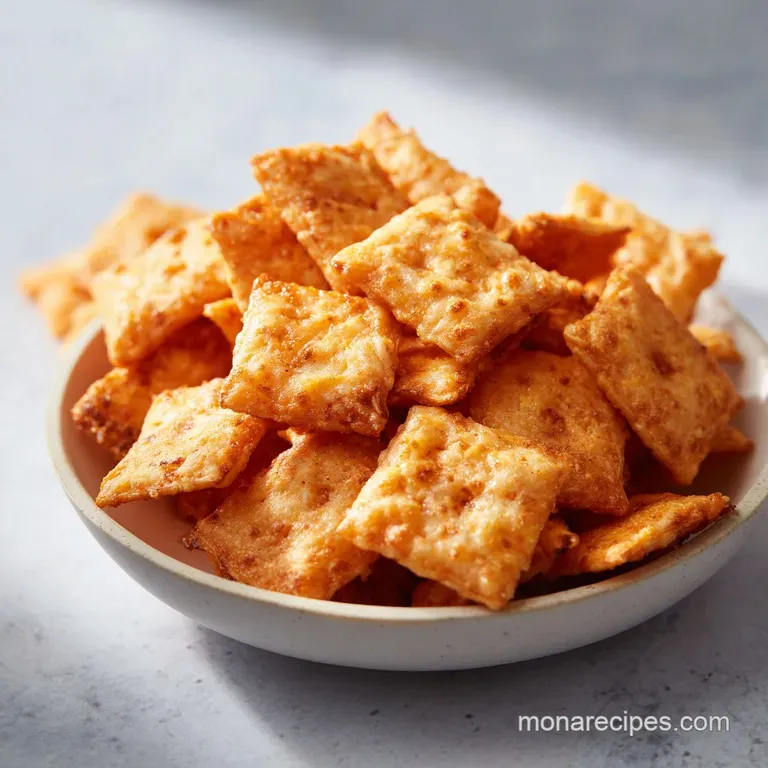
You don't need a professional laboratory, but a few specific tools will make your life significantly easier. The most important is a food processor. While you can make these by hand using a pastry cutter, the speed of the blades in a processor allows you to incorporate the cheese and butter without the heat from your hands melting the fats.
- Food Processor: Essential for achieving that "coarse sand" texture quickly.
- Pizza Cutter or Fluted Wheel: Makes quick work of slicing the dough into those iconic 1 inch squares.
- Rolling Pin: You need even pressure to hit that 1/8 inch thickness mark.
- Parchment Paper: Vital for rolling the dough without adding extra flour, which would make the crackers dry.
- Toothpick or Skewer: For docking the center of each cracker.
Science Tip: If you don't have a food processor, freeze your butter for 15 minutes and use a box grater to shred it into the flour. This mimics the small, cold particles the processor creates.
Precision Method for Golden Squares
Let's get into the actual process. The goal here is speed and temperature control. We want to move from the processor to the oven with minimal heat transfer.
- Pulse dry base: Combine 1 cup flour, 1 tbsp cornstarch, 1 tsp fine sea salt, and 1/2 tsp smoked paprika in the food processor. Add 4 tbsp chilled cubed butter and pulse 10-12 times until the mixture looks like coarse sand.
- Integrate cheese: Toss in the 8 oz hand grated cheddar. Pulse again until the cheese is broken down into tiny bits and the mixture looks uniform.
- Hydrate dough: While the processor is running, drizzle in 2 tbsp ice cold water, one tablespoon at a time. Stop the moment the dough starts to clump into large balls.
- Finalize dough: Turn the mixture onto parchment paper. Knead it 2-3 times until it forms a cohesive, smooth disk. Don't overwork it!
- Roll thin: Place another sheet of parchment on top. Roll the dough out until it is exactly 1/8 inch thick.
- Flash chill: Slide the parchment and dough onto a tray and put it in the freezer for 20 minutes. Note: This relaxes the gluten and ensures the butter stays solid.
- Cut and dock: Preheat oven to 350°F (175°C). Use a pizza cutter to make 1 inch squares. Use a toothpick to poke a single hole in the dead center of each one.
- Season: Sprinkle with 1 tsp flaky sea salt, pressing very lightly so it sticks.
- Bake: Place on a lined sheet and bake for 12–15 minutes until the edges are deeply golden and the centers feel firm.
- Cool: Let them rest on the pan for 5 minutes. They will continue to crisp up as they cool down.
Fixing Sogginess and Flavor Issues
Even with the best intentions, things can go sideways. The most common complaint with any its recipe is a lack of crunch. This almost always comes down to either the thickness of the dough or the moisture in the cheese.
If your crackers feel "bready," they likely needed another minute in the oven or were rolled too thick.
Why Your Crackers are Soft
If your crackers are soft after cooling, the moisture wasn't fully driven out during the bake. This often happens if the oven temperature is too high, browning the outside before the inside dries.
Ensure your oven is truly at 350°F (175°C) and consider leaving them in the turned off oven for an extra 5 minutes with the door cracked.
Why the Dough is Crumbly
If your dough won't hold together when you try to roll it, it's likely too dry. This can happen if your flour was packed too tightly in the measuring cup. Add ice water 1 teaspoon at a time until it just barely clings together.
| Problem | Root Cause | Solution |
|---|---|---|
| Greasy Texture | Cheese/Butter got too warm | Flash chill the dough longer before cutting. |
| No "Snap" | Dough rolled too thick | Use a ruler to verify 1/8 inch thickness. |
| Bitter Aftertaste | Paprika or crackers burnt | Reduce bake time by 2 minutes or check oven calibration. |
Common Mistakes Checklist
- ✓ Always hand grate your cheese to avoid waxy anti caking agents.
- ✓ Never skip the 20 minute flash chill; it's the difference between a cracker and a cookie.
- ✓ Ensure the water is truly ice cold to prevent melting the butter prematurely.
- ✓ Use parchment paper to roll; adding extra flour to the board will make them tough.
- ✓ Don't skip the center hole; it's functional for steam release, not just for looks.
Flavor Variations and Creative Twists
Once you've mastered the classic version, the variations are endless. The base of this homemade cheez its recipe is incredibly sturdy, so it can handle a few additions without falling apart.
- For a Spicy Kick: Add 1/4 tsp of cayenne pepper to the dry ingredients or use a Pepper Jack cheese instead of half the cheddar.
- For "White Cheddar & Herb": Use white extra sharp cheddar and add 1 tsp of dried rosemary or thyme to the flour mixture.
- For a Smoky Depth: Swap the smoked paprika for a bit of chipotle powder and use a smoked cheddar blend.
- For a Healthy Twist: Replace 1/2 cup of the AP flour with whole wheat flour. You may need an extra teaspoon of water as whole wheat is more absorbent.
When scaling this recipe, keep a close eye on the ratios. If you are doubling the batch to 12 servings, use 1 lb of cheese and 8 tbsp of butter, but only use 1.5x the salt and spices. Large batches of salt can become overwhelming quickly.
When working with 2x the dough, I find it’s best to divide it into two disks and roll them out separately to keep the temperature consistent.
| Alternative | Benefit | Flavor Impact |
|---|---|---|
| Pepper Jack Cheese | Natural spice | Moderate heat, creamy finish |
| Smoked Gouda | More complexity | Deep, campfire notes |
| Everything Bagel Seasoning | Great texture | Salty, garlicky, and crunchy |
Guidelines for Freezing and Reheating
These crackers are best within the first 48 hours, but they store surprisingly well if you keep them away from moisture. Since they have a high fat content from the cheese and butter, they can go rancid if left in a warm, sunny spot.
Storage: Keep cooled crackers in an airtight container at room temperature for up to 1 week. If they lose their crunch, pop them back in a 300°F (150°C) oven for 3-4 minutes to refresh them.
Freezing: You can freeze the baked crackers for up to 3 months. However, for the best results, I recommend freezing the unbaked dough. Roll it out, cut it, and freeze the squares on a sheet pan. Once frozen solid, toss them into a freezer bag.
You can bake them straight from the freezer just add 2-3 minutes to the total bake time.
Zero Waste: Don't throw away the odd shaped scraps from the edges of your rolled dough! These "ugly" pieces are often the crispiest. I call them "chef's snacks." Alternatively, crush any broken crackers and use them as a savory breading for chicken or a topping for mac and cheese.
Best Pairings for Savory Snacks
While these are a standalone powerhouse, they also play well with others. Because they are so rich and sharp, they benefit from pairings that offer a bit of acidity or sweetness to cut through the fat.
I love serving these alongside a crisp green apple or some grapes. The natural sugars in the fruit highlight the saltiness of the cheddar. If you're putting together a charcuterie board, these crackers are the perfect vessel for a creamy goat cheese or a dollop of pepper jelly.
- Apples and Pears: The crisp acidity cleanses the palate between salty bites.
- Tomato Soup: Use these as a "grown up" version of soup crackers.
- Cold Beer: A hoppy IPA or a crisp pilsner stands up beautifully to the extra sharp cheddar.
- Hot Honey: Drizzle a tiny bit over a pile of crackers for a sweet heat experience that is totally addictive.
There's something incredibly satisfying about making a snack that everyone recognizes but finding that yours tastes ten times better. The science is simple: better ingredients plus temperature control equals a superior crunch.
Give this a shot, follow the 20 minute chill rule, and I promise you’ll be the hero of the next movie night. Happy snacking!

Recipe FAQs
What are the ingredients in original Cheez Its?
This recipe replicates the classic taste using only eight simple components. You will need 8 oz extra sharp cheddar cheese, 4 tbsp chilled cubed unsalted butter, 1 cup all-purpose flour, 1 tbsp cornstarch, 1 tsp fine sea salt, 1/2 tsp smoked paprika, 2 tbsp ice-cold water, and 1 tsp flaky sea salt for
finishing.
What is the best cheese for Cheez Its?
Use high-quality extra sharp cheddar cheese. Always hand grate the block yourself, as pre-shredded cheese contains potato starch or cellulose that prevents proper dough cohesion and ruins the final texture.
What's the secret to perfect Cheez Its texture?
The secret lies in the 20-minute flash chill in the freezer after rolling the dough. This step is essential to relax the gluten and firm up the fats, which creates that signature shatteringly crisp, airy bite rather than a dense, biscuit like crumb.
What seasoning do they put on Cheez-It snack mix?
For this recipe, use smoked paprika and flaky sea salt. These provide the savory depth and sharp, salty finish that define the flavor profile of the snack without needing any additional additives.
Is it true I can use room temperature butter to make the dough easier to mix?
No, this is a common misconception. You must use chilled, cubed butter to ensure the dough maintains a crumbly, sandy texture during processing; if the butter is warm, the crackers will lose their crisp, flaky structure.
How to ensure the crackers bake evenly?
Roll the dough to a consistent 1/8 inch thickness between two sheets of parchment paper. Using a pizza cutter or fluted pastry wheel to create uniform 1 inch squares ensures that every piece crisps up at the same rate during the 12 15 minute bake time.
How to prevent the crackers from puffing up like tiny pillows?
Poke a hole in the center of each square using a toothpick or skewer. This process, known as docking, allows steam to escape during the 350°F bake, preventing air pockets and ensuring the crackers stay flat and crisp.
Homemade Cheez Its Recipe
Ingredients:
Instructions:
Nutrition Facts:
| Calories | 299 calories |
|---|---|
| Protein | 11.4 g |
| Fat | 19.8 g |
| Carbs | 17.5 g |
| Fiber | 0.7 g |
| Sugar | 0.4 g |
| Sodium | 798 mg |
