Homemade Mac and Cheese Sauce: Silky and Creamy
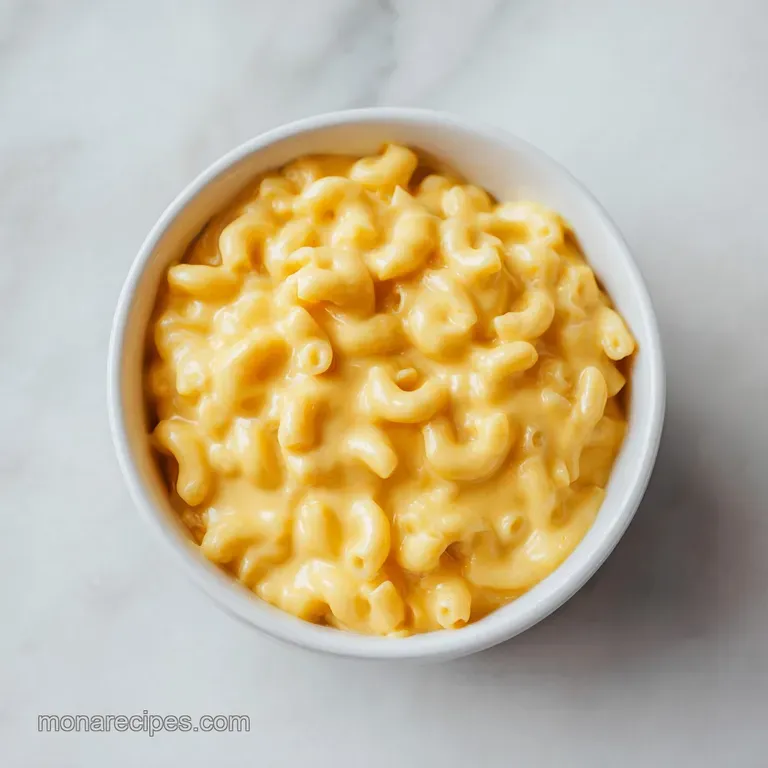
- Time:5 minutes prep + 15 minutes cook = 20 minutes total
- Flavor/Texture Hook: Velvety, sharp, and glossy
- Perfect for: Weeknight dinners, holiday sides, or meal prep
- Creating the Perfect Homemade Mac and Cheese Sauce Recipe
- Why This Smooth Emulsion Works
- Components for a Richer Sauce
- Essential Tools for Smooth Sauce
- Step-by-Step Stovetop Cooking Guide
- Solving Common Sauce Texture Issues
- Adapting Sauce for Dietary Needs
- Proper Storage and Freezing Methods
- What to Serve with Macaroni
- Myths About Cheese Sauce
- Recipe FAQs
- 📝 Recipe Card
Creating the Perfect Homemade Mac and Cheese Sauce Recipe
Have you ever wondered why some cheese sauces feel like a velvety blanket on your pasta while others turn into a gritty, oily mess the second they hit the plate? I’ll never forget the first time I tried to make a "fancy" dinner for my roommates in college.
I figured if I just melted a mountain of cheddar into some hot milk, magic would happen. Instead, I ended up with a pot of pale liquid and a rubbery ball of cheese stuck to my whisk. It was a disaster, but it taught me my first real lesson in kitchen physics: cheese is finicky, and it demands respect.
This homemade mac and cheese sauce recipe is the result of years of standing over a stove, learning exactly when to turn the heat down and why that tiny pinch of nutmeg actually matters.
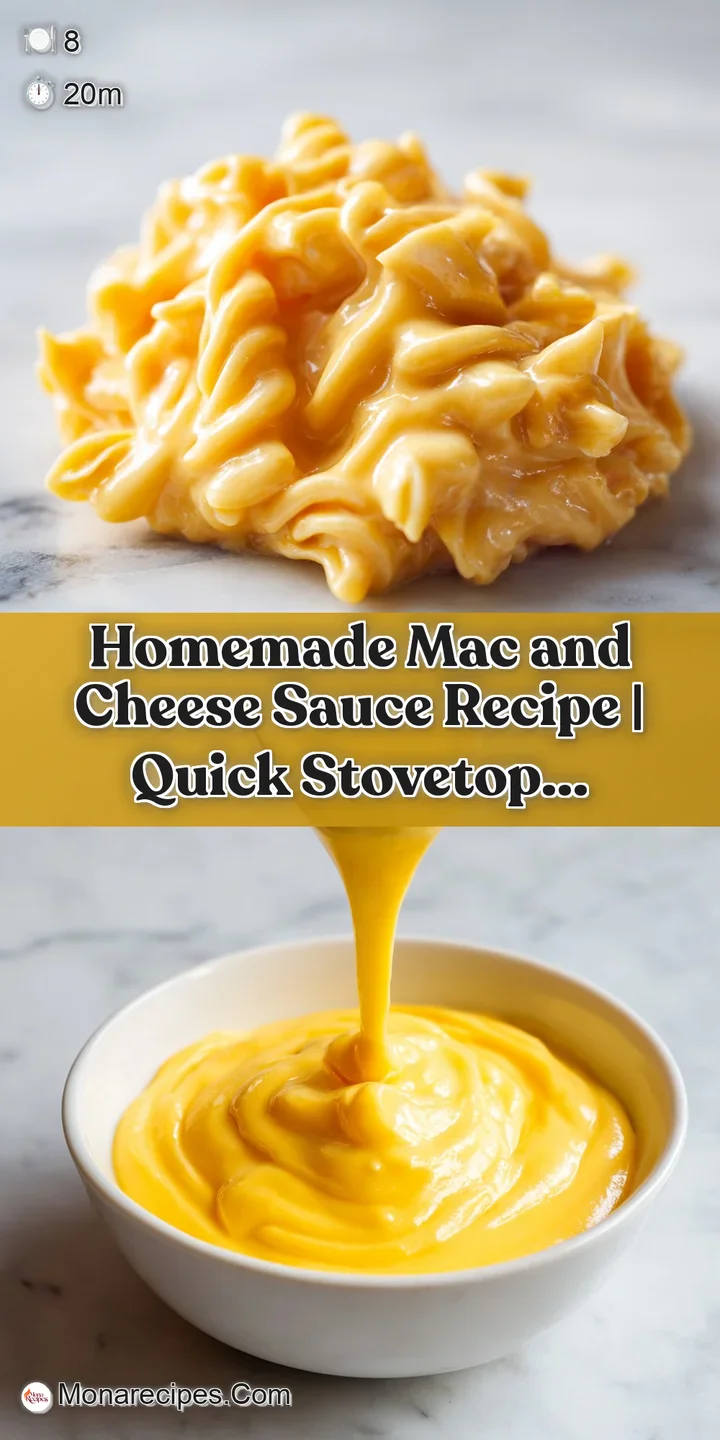
We aren’t just melting cheese here; we are building an emulsion that’s stable enough to coat every nook and cranny of a noodle without breaking. When you see that first ribbon of glossy sauce fall from your spoon, you'll know exactly what I mean.
It’s a satisfying, almost therapeutic process once you know the rhythm.
We are going for a sauce that is thick enough to "cling" but fluid enough to flow. This isn't the stuff from a blue box, and it isn't a heavy, baked brick of pasta either. It’s a bright, sharp, and incredibly smooth liquid gold that makes any Tuesday feel like a special occasion.
Let’s get the whisk ready and walk through how to make this happen without a single lump in sight.
Why This Smooth Emulsion Works
Understanding what’s happening in your saucepan makes you a better cook instantly. It’s not about being a scientist; it’s about knowing why we don't just dump everything in at once.
- Starch Stability: The flour in the roux coats the fat droplets from the butter, which prevents the cheese proteins from clumping together when they melt.
- The Milk Buffer: Using whole milk and heavy cream provides enough liquid and fat to suspend the cheese solids, ensuring the sauce stays fluid rather than turning into a solid block.
- Residual Heat Control: Melting the cheese off the burner is the "secret" because at a high temperature, the proteins in the cheese tighten up and squeeze out the fat, leading to that dreaded grainy texture.
- Mustard as an Emulsifier: Beyond flavor, dry mustard contains compounds that help keep the fat and water in the sauce from separating.
Method Comparison for Macaroni
| Method | Time | Texture | Best For |
|---|---|---|---|
| Stovetop | 20 minutes | Silky and liquid | Immediate eating, creamy lovers |
| Oven Baked | 45 minutes | Set and custardy | Holiday potlucks, crispy tops |
| Slow Cooker | 3 hours | Very soft and rich | Set it and forget it meals |
Choosing the stovetop route gives you the most control over the final consistency. While baked versions are classic, they often dry out. This stovetop approach ensures that every bite is as moist as the first. If you're looking for other ways to use your dairy skills, you might enjoy experimenting with this homemade cream cheese for your morning bagels.
Components for a Richer Sauce
Selecting your ingredients is where the flavor profile really takes shape. While you can use whatever is in the fridge, specific choices will lead to a better "cling" factor on your pasta.
| Component | Science Role | Pro Secret |
|---|---|---|
| Sharp Cheddar | Provides body and "bite" | Grate it yourself; pre shredded cheese is coated in starch that ruins the texture. |
| Gruyère | Adds a nutty, meltable base | Use a mix of 75% Cheddar and 25% Gruyère for a "gourmet" depth. |
| Nutmeg | Flavor enhancer | You won't taste "spice," but it makes the dairy taste creamier and more savory. |
| Heavy Cream | Increases fat stability | The extra fat prevents the sauce from breaking if it gets a little too hot. |
You'll need exactly 1/4 cup (56g) of unsalted butter and 1/4 cup (30g) of all purpose flour to start your base. For the liquid, have 3 cups (710ml) of whole milk and 1/2 cup (120ml) of heavy cream ready at room temperature.
The star of the show is 3 cups (340g) of sharp cheddar and 1 cup (115g) of Gruyère or Monterey Jack. For seasoning, we use 1 tsp dry mustard, 1/2 tsp garlic powder, 1/4 tsp nutmeg, 1/2 tsp salt, 1/4 tsp black pepper, and 1 tsp hot sauce for a tiny kick.
Don't skip the room temperature milk step. Pouring ice cold milk into a hot roux can cause the butter to seize, creating tiny floury pebbles that are impossible to whisk out later. If you're in a rush, just zap the milk in the microwave for 30 seconds to take the chill off.
Essential Tools for Smooth Sauce
You don't need a professional kitchen, but a few specific items will make your life much easier. First and foremost is a heavy bottomed saucepan. Thin pots have "hot spots" that will scorch your milk before the rest of the sauce even gets warm. A 3 quart size is usually perfect for this volume.
A balloon whisk is your best friend here. It’s better than a spoon because it incorporates air and breaks up flour clumps simultaneously. You'll also want a sturdy box grater. Seriously, stop buying the bags of shredded cheese.
Those bags contain cellulose (literally wood pulp) to keep the shreds from sticking together, and that stuff does not melt well. It leaves a chalky residue in your beautiful sauce.
Chef's Tip: If you find your sauce is sticking to the corners of the pan, switch to a flat whisk or a heat resistant silicone spatula for a few rounds to ensure no flour is hiding in the edges.
step-by-step Stovetop Cooking Guide
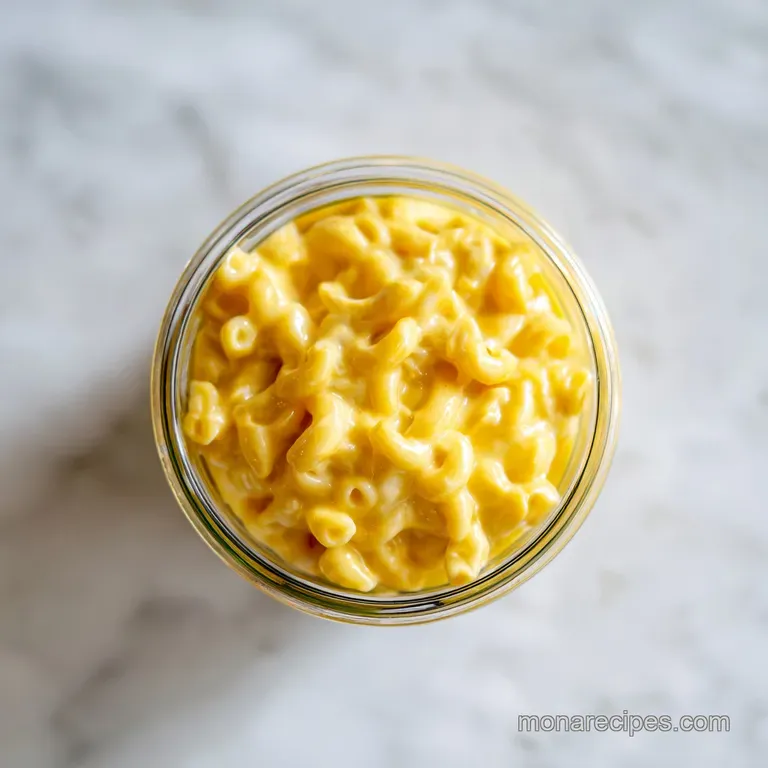
- Melt the butter. Place 1/4 cup unsalted butter in your saucepan over medium heat. Wait until it stops foaming and starts to look clear.
- Create the roux. Whisk in 1/4 cup all purpose flour. Note: This creates the "glue" that holds the sauce together.
- Cook the flour. Keep whisking for 1–2 minutes until it smells like toasted nuts. Do not let it turn brown; we want a "blonde" roux.
- Add liquids slowly. Lower heat to medium low. Pour in the 3 cups of milk and 1/2 cup heavy cream 1/4 cup at a time. Whisk vigorously after each splash until the mixture is smooth.
- Thicken the base. Simmer for 3–5 minutes until the sauce coats the back of a spoon. If you draw a line through it with your finger, the line should stay.
- Season the sauce. Remove from heat. Whisk in the dry mustard, garlic powder, nutmeg, salt, pepper, and hot sauce.
- Add cheese gradually. Add the 3 cups of cheddar and 1 cup of Gruyère one handful at a time. Stir gently until fully melted before adding the next handful.
- Final check. The sauce should be glossy and thick. If it's too thick, add a tablespoon of warm milk.
If you enjoy the process of making creamy bases, you might also find success with this creamy chip dip for your next gathering. It uses similar principles of balance and texture.
Solving Common Sauce Texture Issues
Even with the best intentions, things can go sideways. The most common complaint is a "grainy" mouthfeel. This usually happens for two reasons: the heat was too high when the cheese went in, or you used pre shredded cheese.
Why Your Sauce Separated
If you see oil pooling at the top, your emulsion has broken. This happens when the temperature spikes. To fix this, remove it from the heat immediately and whisk in a tablespoon of cold heavy cream. The cold fat can sometimes "reset" the emulsion and bring it back together.
My Sauce Tastes Like Flour
This is a classic rookie mistake. It means the roux didn't cook long enough at the start. You have to toast that flour for at least 90 seconds to deactivate the raw starch enzymes. If it's already finished, you can try simmering it for another 2 minutes, but be careful not to burn the bottom.
| Problem | Root Cause | Solution |
|---|---|---|
| Grainy Texture | Heat was too high | Add a splash of cold cream and whisk off heat |
| Too Thick | Over reduction | Whisk in 1 tbsp of warm milk at a time |
| Lumpy Base | Milk added too fast | Use an immersion blender to smooth it out |
Common Mistakes Checklist
- ✓ Never boil the sauce once the cheese has been added (causes curdling).
- ✓ Grate your own cheese from a block for a silkier finish.
- ✓ Let the milk come to room temperature before adding it to the roux.
- ✓ Whisk constantly during the first 5 minutes of liquid addition.
- ✓ Season after the sauce thickens to get the most accurate flavor profile.
Adapting Sauce for Dietary Needs
Making a homemade mac and cheese sauce recipe shouldn't be limited by dietary restrictions. You can easily swap out the flour or the dairy with a few adjustments. For a gluten-free version, a 1 to-1 gluten-free flour blend works reasonably well, though you may need to whisk a bit longer to get it smooth.
If you want a Simple Mac and Cheese Sauce Without Flour, you can skip the roux and simmer the heavy cream and milk until they reduce by about a third. Once thickened, whisk in the cheese off the heat. This results in a much richer, heavier sauce that is naturally gluten-free.
Ingredient Substitution Options
| Original Ingredient | Substitute | Why It Works |
|---|---|---|
| Whole Milk | Evaporated Milk | Creates an even more stable, "unbreakable" sauce. |
| Gruyère | Monterey Jack | Similar melting point and creamy texture but milder flavor. |
| Butter | Ghee | Higher smoke point and richer, toasted flavor profile. |
For a lighter "everyday" sauce, you can replace the heavy cream with more whole milk and swap the sharp cheddar for a 2% milk fat version. Note: Lower fat cheeses melt less smoothly, so you might sacrifice a bit of that velvety texture.
Proper Storage and Freezing Methods
Leftover sauce is a gift. It stays fresh in the fridge for up to 4 days if kept in an airtight container. When you're ready to eat it again, don't just throw it in the microwave on high. That will cause the cheese to "break" and turn oily.
Instead, heat it in a small pot over low heat, adding a teaspoon or two of milk to loosen it back up.
Freezing is possible, but dairy is tricky in the freezer. The water and fat will likely separate. If you do freeze it (for up to 2 months), thaw it in the fridge overnight. When reheating, you'll need to whisk it vigorously as it warms up to force the emulsion back together.
Zero Waste Tip: If you have just a little sauce left, don't toss it! It makes an incredible topping for steamed broccoli or a base for a cheesy potato soup the next day. You can even stir it into scrambled eggs for a decadent breakfast.
What to Serve with Macaroni
While the sauce is the star, what you put it on matters. Large elbow macaroni, cavatappi, or shells are the best choices because they have the most surface area to trap that liquid gold.
- For a Hearty Meal: Stir in some rotisserie chicken and steamed broccoli.
- For a Gourmet Twist: Top with toasted panko breadcrumbs and a drizzle of truffle oil.
- For the Kids: Keep it simple with just the sauce and noodles, maybe a side of apple slices.
Myths About Cheese Sauce
There's a lot of old school advice that actually makes cooking harder. One myth is that you need "processed cheese" (like Velveeta) to get a smooth sauce. While processed cheese has extra emulsifiers, you can get the same result with real cheddar just by using a roux and managing your heat.
Another myth is that you should add the cheese while the milk is boiling. This is the fastest way to get a grainy sauce. Boiling water is 212°F (100°C), which is far too hot for cheese proteins.
They prefer a gentle bath of about 150°F (65°C) to melt gracefully.
Finally, some say salt should be added at the very end. Actually, you should season your roux and milk base early so the salt has time to dissolve completely. If you wait until the end, you might find the sauce tastes "flat" with occasional salty grains.
Just be careful not to over salt, as the cheese itself brings quite a bit of sodium to the party.
When you're looking for more ways to use these skills, don't forget that a great cheese sauce is essentially a "Mornay" sauce. Mastering this means you're only one step away from making a classic Eggs Benedict or a rich vegetable gratin. Now, go grab your whisk and get started!
Recipe FAQs
How to make cheese sauce for macaroni?
Melt butter in a heavy bottomed saucepan, whisk in flour, and cook for 1 2 minutes to create a blonde roux. Gradually add milk and heavy cream while whisking, simmer for 3 5 minutes until thick, then remove from heat and stir in the spices and freshly grated cheeses.
What are the best 3 ingredients for mac and cheese?
Sharp cheddar, Gruyère, and butter are essential. These provide the necessary flavor depth, superior meltability, and rich base required for a restaurant quality texture.
What is the secret to really good mac and cheese?
Grate your own cheese from a block instead of using pre-shredded bags. Pre-shredded varieties contain anti caking agents that prevent the cheese from melting into the smooth, glossy consistency required for this recipe.
Can heart patients have mac and cheese?
Generally, no, as this dish is high in saturated fats and sodium. The combination of butter, heavy cream, and two types of cheese results in 399 calories per serving, which may not align with most heart healthy dietary guidelines.
Is it true that I should keep the sauce boiling after adding the cheese?
No, this is a common misconception. Boiling the sauce after the cheese is added causes the proteins to tighten and the fat to separate, resulting in a curdled, grainy texture.
How to prevent the sauce from becoming grainy?
Remove the pan from the heat entirely before adding your cheese. Use the residual heat to melt the shreds into the roux based liquid, which keeps the emulsion stable and smooth.
Is it necessary to warm the milk before making the roux?
Yes, bringing the milk to room temperature helps prevent clumping. Adding cold liquid to the hot roux can cause the flour mixture to seize, making it much harder to achieve the desired silky texture.
Homemade Mac And Cheese Sauce

Ingredients:
Instructions:
Nutrition Facts:
| Calories | 399 kcal |
|---|---|
| Protein | 17.6 g |
| Fat | 32.8 g |
| Carbs | 9.0 g |
| Fiber | 0.3 g |
| Sugar | 5.1 g |
| Sodium | 520 mg |
