Cream Cheese Buttercream: Sturdy and Smooth
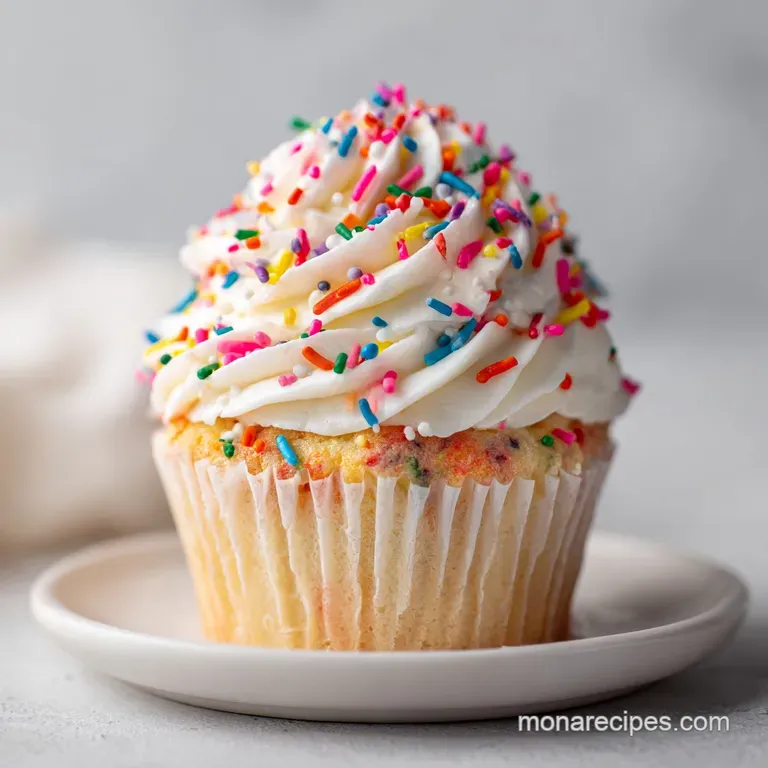
- Time:15 minutes active + 20 minutes optional chilling = 35 minutes total
- Flavor/Texture Hook: Velvety, tangy, and structurally stable
- Perfect for: Layer cakes, intricate piping, and warm weather events
- Mastering Your Own Cream Cheese Buttercream
- Understanding the Recipe Technical Specifications
- Ingredient Deep Dive for Stability
- Selecting the Best Possible Ingredients
- Essential Gear for Smooth Frosting
- Prep to Plate: The Precise Method
- Solving Common Texture and Stability Issues
- Flavor Variations and Creative Adaptations
- Storing and Preserving Your Frosting
- Ideal Pairings for Your Dessert
- Standard Baking Myths
- Recipe FAQs
- 📝 Recipe Card
Mastering Your Own Cream Cheese Buttercream
The secret to a stable, pipeable frosting isn't adding more sugar until it tastes like a bag of sand. It is all about the cream cheese. I used to think everything had to be room temperature to emulsify, but that is exactly how you end up with a puddle. The "hero" here is the cold, full fat block cream cheese.
When it hits the aerated butter, it provides an immediate cooling effect that keeps the emulsion from breaking, resulting in a frosting that stays firm enough to hold its shape on a tiered cake.
We've all seen those frostings that look like they are sliding off the side of a carrot cake. It is frustrating. I spent a long time testing different ratios until I realized that the water content in cream cheese is the enemy of stability.
By using cold cheese and adding it in small increments, we manage that moisture. The result is a velvety finish that doesn't sacrifice that signature tang for structural integrity.
You can expect a frosting that is thick enough for a piping bag but soft enough to spread over a delicate sponge. It isn't just about mixing ingredients together; it is about managing the thermodynamics of fat. If you follow these temperature cues, you'll never have to "fix" a runny frosting with extra sugar again.
Understanding the Recipe Technical Specifications
Aeration Control: Beating the butter alone for 3 to 5 minutes creates a network of tiny air bubbles. This physical structure supports the weight of the cheese and sugar later.
Cold Integration: Cold cream cheese acts as a stabilizer. If the cheese is too warm, the fat globules merge into a liquid state rather than staying suspended in the air butter matrix.
Sugar Saturation: Sifting the powdered sugar isn't just for lumps. It ensures each particle is coated in fat quickly, preventing the sugar from drawing out moisture and turning the frosting grainy.
Salt Balance: Fine sea salt doesn't just "salt" the frosting. It suppresses the bitterness of the cocoa (if used) and cuts through the heavy fat, making the flavor profile feel lighter.
| Target Stability | Consistency | Temperature Rule | Best Use |
|---|---|---|---|
| Soft Spread | Like soft serve | Butter 68°F, Cheese 45°F | Filling layers, crumb coats |
| Piping Firm | Holds stiff peaks | Butter 65°F, Cheese 40°F | Borders, flowers, cupcakes |
| Extra Sturdy | Cold to the touch | Chill 20 mins post mix | Hot outdoor weddings |
This stability chart helps you decide when to stop mixing or when to start chilling. If you are looking for a base to experiment with, you could even try this on top of chocolate chip cookies for a decadent sandwich treat.
Ingredient Deep Dive for Stability
| Ingredient | Science Role | Pro Secret |
|---|---|---|
| Unsalted Butter | Structural base | Use "European style" butter for higher fat and less water. |
| Full Fat Cream Cheese | Tang and moisture | Always use the block, never the whipped tub versions. |
| Powdered Sugar | Bulk and sweetness | Weigh it. Volume measurements for sugar vary by up to 20%. |
Selecting the Best Possible Ingredients
- 1 cup (226g) Unsalted Butter: Slightly softened but cool to the touch. It should dent when pressed but not look shiny.
- Substitute: Salted butter (omit the extra salt in the recipe). Why this? Higher fat content provides a more stable emulsion.
- 8 oz (226g) Full Fat Cream Cheese: Use the cold block style directly from the fridge.
- Substitute: Mascarpone for a milder, creamier finish. Why this? The block version has stabilizers that tub versions lack.
- 4.5 cups (562g) Powdered Sugar: Ensure it is sifted to prevent tiny white lumps in your finish.
- Substitute: Organic powdered sugar (tends to be grittier, so sift twice). Why this? Provides the "backbone" and sweetness for the frosting.
- 1 tbsp (15ml) Pure Vanilla Extract: Adds depth and floral notes.
- Substitute: Vanilla bean paste for those beautiful black flecks. Why this? Real vanilla balances the lactic acid tang of the cheese.
- 1/4 tsp Fine Sea Salt: Dissolves faster than kosher salt.
- Substitute: Table salt (use slightly less). Why this? Essential for cutting through the high fat content.
Essential Gear for Smooth Frosting
You really need a stand mixer for this. While a hand mixer works, it often lacks the power to aerate the butter sufficiently within the 3 to 5 minute window. Use a paddle attachment rather than a whisk; a whisk incorporates too much air, which leads to those annoying air bubbles you'll have to smooth out later with a spatula.
If you find yourself making your own components frequently, you can even make homemade cream cheese for a truly scratch made experience, though for high stakes piping, the consistent water content of store-bought blocks is often safer.
Prep to Plate: The Precise Method
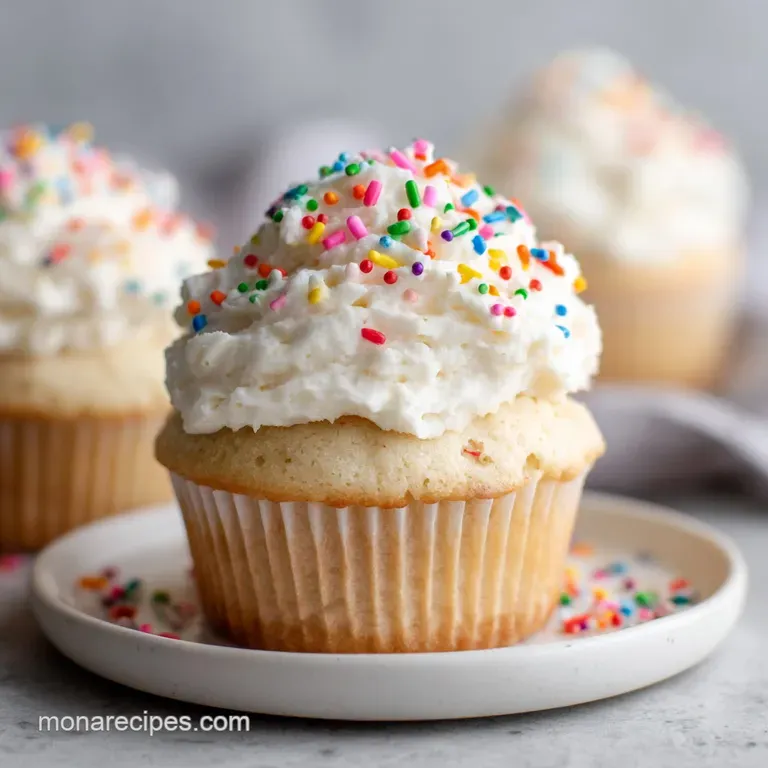
- Verify the butter is at cool room temperature (pliable but not greasy) and keep the cream cheese in the fridge until 10 minutes before use.
- Place the butter in a stand mixer fitted with a paddle attachment.
- Beat on medium high speed for 3–5 minutes until the butter is aerated and turns almost white. Note: This step is the foundation of the entire structure.
- Cut the cold cream cheese into four equal chunks.
- Add the cheese one chunk at a time, beating briefly after each addition just until no large lumps remain. Note: Over beating at this stage will cause the cheese to release water.
- Reduce the mixer to the lowest setting to avoid a sugar cloud.
- Gradually add the sifted powdered sugar one cup at a time until it is fully incorporated.
- Pour in the vanilla extract and sprinkle the fine sea salt over the mixture.
- Increase the speed to medium and whip for 2 minutes until the frosting is velvety and holds its shape.
- Optional: Transfer to a bowl and chill in the refrigerator for 20 minutes until firm enough for intricate piping.
Solving Common Texture and Stability Issues
Why Your Frosting Is Runny
If your frosting looks more like a glaze, the most common cause is the temperature of the fats. If the butter was too soft (approaching a "melted" look) or the cream cheese sat out too long, the emulsion won't hold. Another culprit is adding liquid flavorings too early.
Why Your Frosting Is Gritty
Grittiness usually comes from the powdered sugar. Even if the bag says "10x sifted," the weight of the sugar in the bag causes it to clump. If you skip sifting, those clumps won't dissolve in the fat. Also, ensure you are using pure cane sugar; some beet sugar brands don't dissolve as cleanly.
| Problem | Root Cause | Solution |
|---|---|---|
| Lumpy Cheese | Cheese was too cold | Beat the butter longer next time; try a brief warm water bath for the bowl. |
| Air Bubbles | Mixer speed too high | Stir the finished frosting by hand with a spatula for 1 minute. |
| Breaking/Curdling | Temperature shock | Stop mixing immediately and let the bowl sit at room temp for 10 mins. |
Common Mistakes Checklist
- ✓ Never use "low-fat" or "spreadable" cream cheese (the water content is too high).
- ✓ Stop the mixer and scrape the bottom of the bowl twice to catch hidden butter pockets.
- ✓ Sift your sugar even if you think you don't need to.
- ✓ Don't over whip once the sugar is in; this creates a "sponge" texture filled with air.
- ✓ If the kitchen is hot, wrap a cold towel around the mixer bowl.
Flavor Variations and Creative Adaptations
To scale this recipe down for a small batch (6-8 cupcakes), simply halve all ingredients. For the 1/4 tsp of salt, use a "pinch." If you are scaling up (2x or more), be careful with the vanilla.
Liquid can break the emulsion in large quantities, so consider using 1.5x the vanilla instead of a full double to maintain the thickness.
Chef's Tip: If you want a chocolate version, replace 1/2 cup of the powdered sugar with high-quality Dutch processed cocoa powder. The cocoa actually acts as a stabilizer, making the frosting even firmer.
If you are looking for a dairy-free alternative, you can use plant based butter sticks and vegan cream cheese blocks. However, be warned that vegan versions usually have a much lower melting point, so you will likely need to add an extra 1/2 cup of powdered sugar and keep the cake refrigerated until the very moment of serving.
Storing and Preserving Your Frosting
Storage: Because of the high dairy content, this frosting must be refrigerated. It will stay fresh in an airtight container for up to 5 days. When you are ready to use it, let it sit on the counter for 30 minutes and give it a quick whip by hand to restore the texture.
Freezing: This recipe freezes beautifully for up to 3 months. Thaw it overnight in the fridge. Do not try to microwave it to speed up the process, or you will end up with a separated mess.
Zero Waste: If you have leftover frosting, use it as a dip for fruit or sandwich it between two graham crackers. You can also mix it with cake crumbs to make cake pops.
Ideal Pairings for Your Dessert
The high acidity and fat content of this recipe make it the natural partner for "heavy" cakes. Traditional carrot cake, with its spices and oil based crumb, needs the tang of the cheese to cut through the richness.
It also works spectacularly with red velvet, where the vinegar in the cake reacts with the lactic acid in the frosting to enhance the flavor.
If you want a modern twist, try using this frosting as a filling for lemon macarons. The creamy, slightly salty profile balances the sweet almond shells perfectly. No matter what you choose, remember that the frosting is the "glue" of the dessert treat its temperature with respect, and it will treat your decorating goals with stability.
Standard Baking Myths
"The cream cheese must be room temperature to avoid lumps." This is the most pervasive myth in baking. While it is true for cheesecake, it is false for buttercream. Cold cream cheese is the secret to stability.
If you beat your butter long enough to be truly soft and aerated, it will incorporate the cold cheese without lumps, provided you add the cheese in small chunks.
"Adding more sugar will always stiffen the frosting." Actually, after a certain point, the sugar begins to draw moisture out of the cream cheese through osmosis. This can actually make the frosting thinner and grainier rather than stiffer. If it's too soft, use the refrigerator, not the sugar bag.
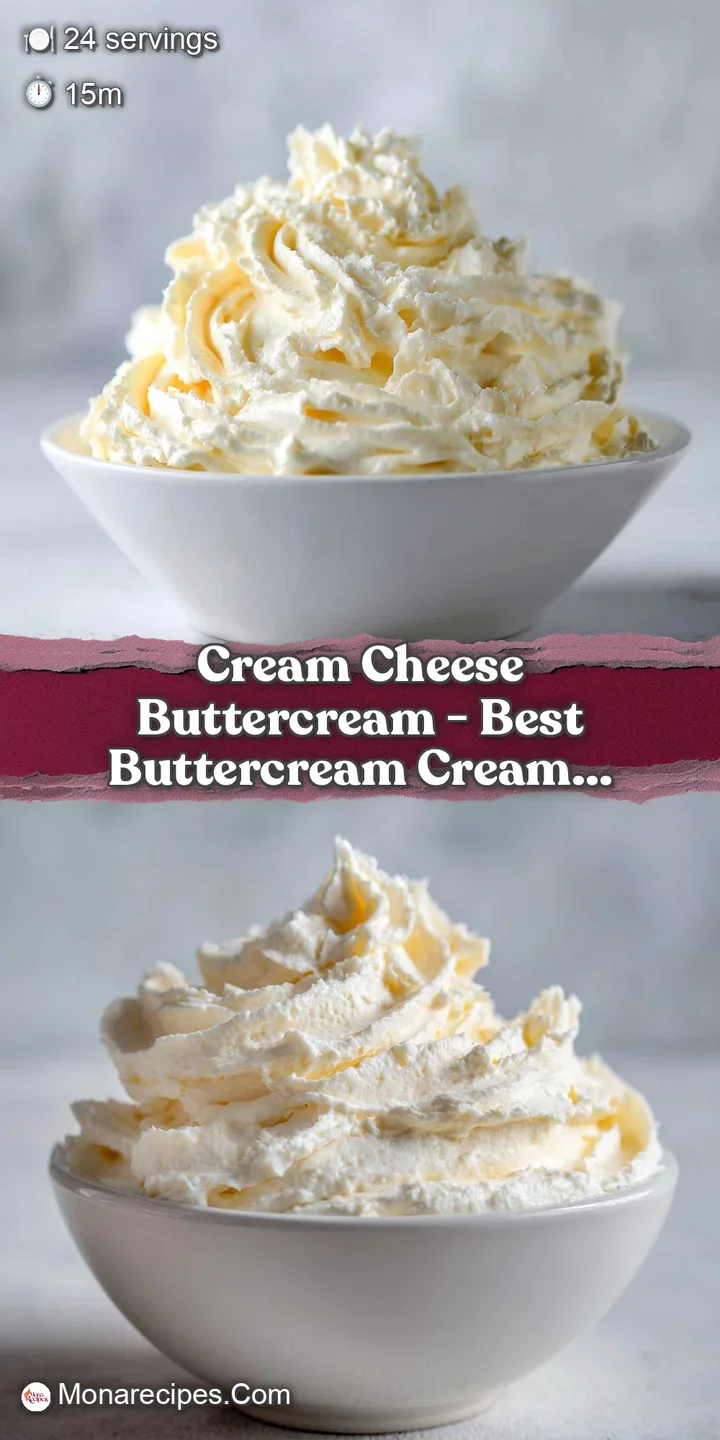
Recipe FAQs
Can you make buttercream with cream cheese?
Yes, absolutely. By combining slightly softened butter with cold, full fat block cream cheese, you create a stable, tangy frosting that maintains the structure of a classic buttercream.
What is the difference between cream cheese frosting and cream cheese buttercream?
They are often used interchangeably, but buttercream refers specifically to the aeration of butter. This recipe ensures a professional texture by whipping the butter first, whereas some basic cream cheese frostings simply blend all ingredients together, resulting in a softer, less stable consistency.
Does cream cheese frosting set like buttercream?
Yes, it sets firmly if handled correctly. Because it relies on the fat content of butter and cold block cream cheese, it will firm up significantly when refrigerated, making it very stable for finished cakes.
Is cream cheese buttercream good for piping?
Yes, it is excellent for piping. For the best results, chill the finished frosting in the refrigerator for 20 minutes before loading it into your piping bag to ensure it holds intricate designs.
How to prevent my cream cheese buttercream from becoming a runny, soupy mess?
Use only cold, full fat block style cream cheese and avoid "spreadable" or low-fat versions. These contain too much water, which causes the frosting to break; additionally, ensure you add the cheese in four distinct chunks, beating briefly after each to keep the temperature stable.
Is it true that I can leave this frosting on the counter for long periods?
No, this is a common misconception. Due to the high dairy content, this frosting must be kept refrigerated at all times to remain safe; it will stay fresh in an airtight container for up to 5 days.
How to fix the texture if I accidentally over whipped the frosting?
Chill the frosting in the refrigerator for 20 minutes to firm up the fats. Once cooled, give it a quick, gentle whip by hand instead of using the electric mixer, which prevents the incorporation of excess air and helps restore a smooth, velvety consistency.
Sturdy Cream Cheese Buttercream

Ingredients:
Instructions:
Nutrition Facts:
| Calories | 192 calories |
|---|---|
| Protein | 1 g |
| Fat | 11 g |
| Carbs | 24 g |
| Fiber | 0 g |
| Sugar | 23 g |
| Sodium | 56 mg |
