High Protein Cottage Cheese Pasta Sauce
- Time: 5 min active + 10 min cook
- Flavor/Texture Hook: Tangy, glossy, and protein heavy
- Perfect for: Busy weeknight dinners
Easy Cottage Cheese Pasta Sauce Recipe
The scent of nutmeg and sautéed garlic always transports me back to my grandmother's kitchen, although her heavy cream sauces usually left me feeling sluggish. I wanted that same creamy luxury without the subsequent food coma.
Initially, I tried just folding cottage cheese into hot pasta, but it ended up looking like lumpy porridge, a total failure that I still remember with a bit of shame.
Eventually, I figured out that the secret was the texture, not the cheese. Everything clicked once I started using the blender. Now, this is my favorite meal for when the fridge is almost bare but I still want something that feels special.
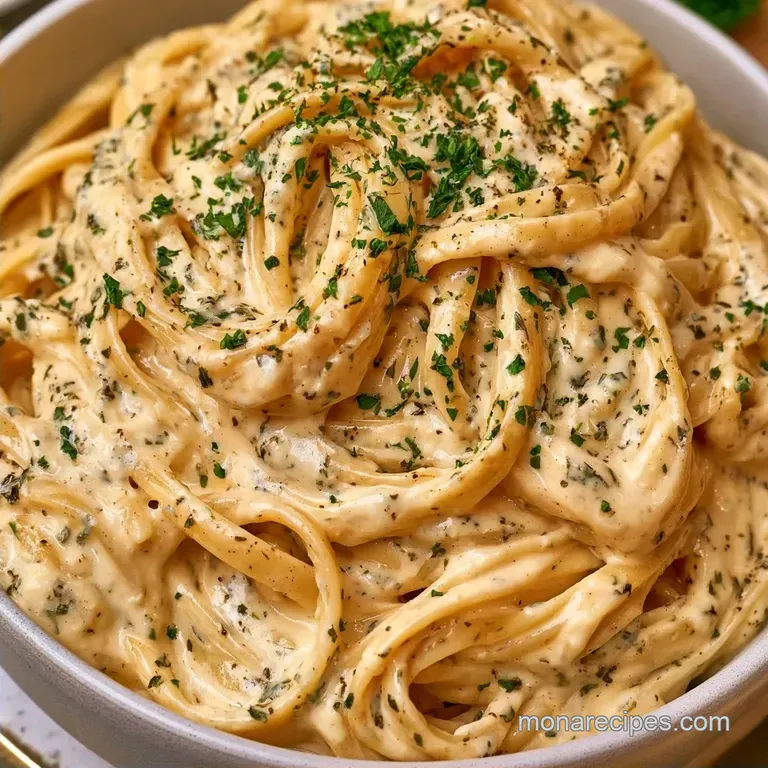
You'll get a silky sauce that hugs the pasta without being too overwhelming. It's a simple way to add a massive protein boost to a meal that's usually mostly carbs. Now, let's look at how to make it a success.
How This Sauce Actually Works
- High Speed Blending: Breaking the protein bonds in the cottage cheese removes the grainy texture.
- Pasta Water Glue: The starch in the water binds the fats together so the sauce doesn't separate in the pan.
| Method | Time | Texture | Best For |
|---|---|---|---|
| Blender | 5 mins | Silky | A polished, creamy meal |
| Hand Stir | 2 mins | Chunky | A rustic, cottage style vibe |
The Building Blocks
| Ingredient | What It Does | Best Swap |
|---|---|---|
| Cottage Cheese | Provides the creamy, high protein base | Ricotta (thicker, less tangy) |
| Parmesan | Adds salt and a nutty depth | Pecorino Romano (saltier) |
| Pasta Water | Emulsifies the sauce | Unsalted vegetable broth |
For the Creamy Base
The cottage cheese is the heavy lifter here. I usually buy the 4% fat version because it blends better and tastes richer. If you use fat free, the sauce can sometimes feel a bit thin or overly tart.
For the Flavor Infusion
Garlic and Italian seasoning provide the savory backbone. I like to use a tiny bit of nutmeg, which is a classic trick in white sauces to make them taste "complete" without you knowing exactly why.
For the Finishing Touch
Fresh lemon juice is what wakes everything up. Without it, the cheese can feel a bit heavy. The parsley adds a pop of color that makes the dish look like it took way more effort than it actually did.
Recipe Specs
To get this right, you need to watch the clock and the heat. I've found that overheating the sauce is the fastest way to ruin it.
- Blend Time: 60-90 seconds for the base.
- Pan Temp: Low heat only.
- Warm up Time: 3-5 minutes until fragrant.
Essential Kitchen Tools
While you don't need professional equipment, a few tools can simplify the process. I rely on a high-speed blender, like a Vitamix or Ninja, to guarantee a completely smooth consistency. An immersion blender also works well, provided you're careful to avoid splatters.
A silicone spatula is indispensable for the saucepan. It allows you to continuously scrape the sides and bottom, ensuring the cheese doesn't stick or scorch.
Step by step Method

- Combine the cottage cheese, grated Parmesan, olive oil, and all dry spices into a high speed blender. Note: Adding the oil now helps the blender move more efficiently.
- Blend on high for 60–90 seconds until the mixture is completely smooth and no visible curds remain.
- Turn the blender to low and slowly stream in the reserved pasta water.
- Continue blending for another 30 seconds until the sauce appears glossy and pourable.
- Pour the blended mixture into a medium saucepan over low heat.
- Stir constantly with a silicone spatula for 3–5 minutes until the sauce is warm and fragrant.
- Stop immediately before the sauce reaches a rolling boil to prevent splitting.
- Stir in the lemon juice and fresh parsley just before removing from heat.
Fixing Sauce Issues
Most problems with this recipe happen during the heating phase. Because cottage cheese is a delicate protein, it doesn't handle high heat well. If you see the sauce starting to look "grainy" or like it's breaking, you've likely pushed the temperature too high.
Another common issue is the thickness. Depending on the brand of cottage cheese, some are wetter than others. If your sauce feels like a thick paste, just whisk in a splash more pasta water.
Preventing Sauce Separation
If you see oil beads forming on the surface, the emulsion has broken. Remove the pan from the stove immediately. Whisk in a tablespoon of cold pasta water to bring the fats and proteins back together.
Eliminating Lumpy Textures
If you still see tiny white dots after blending, keep the blender running. Most home blenders need that full 90 seconds to truly pulverize the curds.
Correcting Overpowering Tang
If the sauce tastes too sour, add an extra tablespoon of Parmesan. The salt and umami of the hard cheese balance out the lactic acid from the cottage cheese.
| Problem | Root Cause | Solution |
|---|---|---|
| Grainy Texture | Overheated the pan | Whisk in cold water/milk |
| Too Thick | Not enough pasta water | Add 1 tbsp water at a time |
| Lumpy Base | Under blended | Blend for another 30 seconds |
Common Kitchen Myths
You might hear that you can't heat cottage cheese without it curdling. While it's true that boiling it causes issues, warming it gently over low heat is perfectly fine. The key is avoiding that bubble.
Some people think you need to strain the cottage cheese first. Honestly, don't even bother with that. The blender handles the moisture just fine, and the pasta water helps stabilize it.
Storing and Saving
This sauce stays fresh for 3 days when kept refrigerated. Use a glass container with a tight seal for storage. To reheat, warm it gently on the stovetop or use short intervals in the microwave. If it has become too thick while chilling, simply stir in a teaspoon of water before heating.
I don't suggest freezing this sauce. Since cottage cheese has a high water content, it tends to separate when frozen and thawed, which results in a grainy texture and a watery consistency.
If you have a lot of cottage cheese remaining, try whipping up a chocolate cottage cheese mousse for a protein-rich dessert. It's a wonderful way to use the rest of the tub without any waste.
Best Ways to Serve
I love this sauce with a hearty pasta like rigatoni or penne because the holes in the pasta trap the creaminess. For a lighter version, try it with zucchini noodles or spaghetti squash.
If you want to add more bulk, stir in some sautéed spinach or roasted cherry tomatoes. The acidity of the tomatoes cuts through the richness of the cheese beautifully.
For a little extra crunch, top the dish with toasted breadcrumbs or extra toasted pine nuts. It adds a texture contrast that makes the meal feel more like something you'd get at a bistro.
Customizing Your Sauce
You can easily customize this recipe based on what you have on hand. For a "Pizza Style" flavor, stir in a pinch of dried oregano and some diced pepperoni. This high protein Cottage Cheese Pasta Sauce is flexible enough to accommodate various additions.
For a more intense flavor, substitute the Italian seasoning with one tablespoon of prepared pesto. The garlic and basil in the pesto meld perfectly with the cheese base.
For another quick meal using this ingredient, my cottage cheese pizza bowls are a fantastic choice for those hectic nights when you lack the energy for a full meal.
Low Calorie Option
Opt for fat-free cottage cheese and swap out the olive oil for a tablespoon of Greek yogurt. This reduces the richness while keeping the protein levels high.
Adding some Heat
Stir in a dash of sriracha or a teaspoon of red pepper flakes at the very end. The spice pairs beautifully with the salty Parmesan and tangy lemon.
Converting to a Dip
Leave out the pasta water and blend the mixture for a thicker result. This creates a great high protein dip for toasted crostini, bell peppers, or raw carrots.
Recipe FAQs
Can you make a pasta sauce using cottage cheese?
Yes, it creates a creamy, high-protein alternative to traditional cream sauces. Blending the curds produces a smooth texture that clings well to noodles.
Will cottage cheese melt into a pasta sauce?
No, it does not melt like a traditional hard cheese. You must blend it first to achieve a smooth, pourable consistency.
Is cottage cheese pasta sauce actually good?
It tastes very similar to a rich Alfredo sauce but with a slightly tangier finish. The Parmesan and nutmeg add a classic savory depth.
How to turn cottage cheese into a sauce?
Blend cottage cheese with Parmesan and olive oil on high for 60–90 seconds. Slowly stream in pasta water on low speed to create a glossy emulsion.
Why is my sauce grainy?
The mixture likely wasn't blended long enough to break down the curds. Blend on high for at least 60 seconds until the texture is completely smooth.
Is it true that you can freeze this sauce?
Not true. The high water content causes the sauce to separate and become watery after thawing.
Could I use cream cheese as a substitute?
You can use it for a denser, richer result. If you enjoyed creating a smooth dairy base here, see how we apply a similar creamy approach in our homemade cream cheese method.
What happens if the sauce boils?
The sauce can separate or break if it reaches a rolling boil. Heat it over low for 3–5 minutes and stir constantly.
Cottage Cheese Pasta Sauce in 10 Minutes