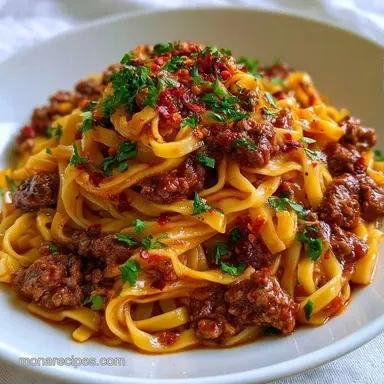
Mongolian Ground Beef Noodles: Salty, Sweet and Velvety
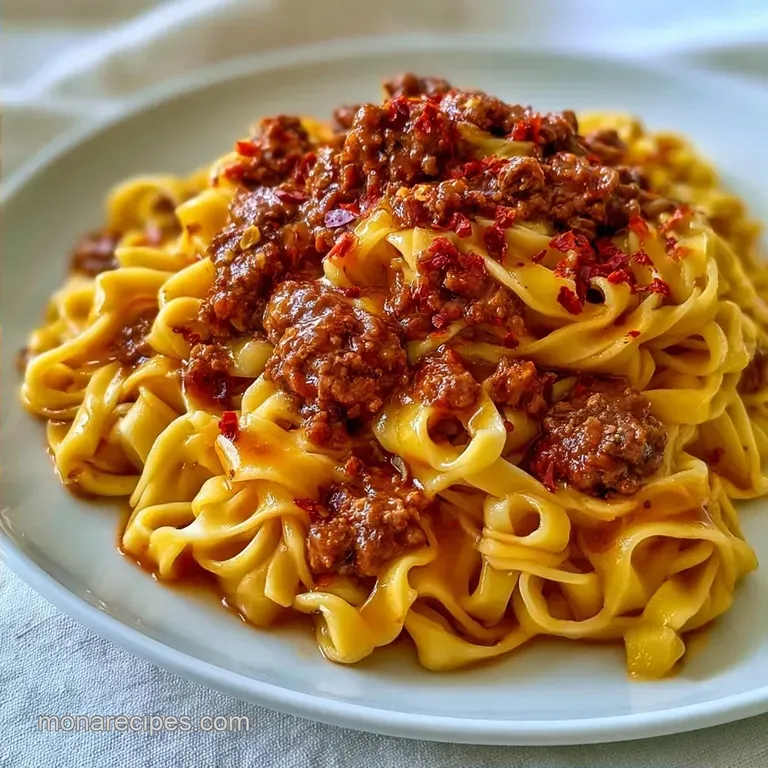
- Time: 10 min active + 15 min cook = Total 25 mins
- Flavor/Texture Hook: Mahogany colored syrup that's velvety and slightly spicy
- Perfect for: Hectic weeknights, budget meal prep, and feeding a crowd
The smell of toasted sesame oil and searing beef is honestly one of my favorite things to come home to. I remember one Tuesday a few years back when I was absolutely exhausted, staring at a pack of ground beef and some leftover linguine, wondering if I could make something that didn't taste like a sad cafeteria meal.
I didn't have the energy to slice expensive flank steak or wait for a marinade to soak in for four hours.
I decided to just brown the ground beef until it was almost crunchy, then toss in a quick mix of soy and brown sugar. The result was a total win. The ground beef actually catches the sauce better than sliced steak ever could, meaning every single bite is drenched in that sweet and salty goodness.
You can expect a dish that feels like a hug in a bowl. We're talking about tender noodles, savory beef, and a sauce that clings to everything. These Mongolian Ground Beef Noodles are designed to be fast, but the flavor is deep and satisfying, making them a staple in my "I have no time to cook" rotation.
Mongolian Ground Beef Noodles
- The Glaze Factor
- Brown sugar and soy sauce create a syrup that thickens as it reduces, coating the beef.
- Texture Contrast
- Browning the beef until the edges are crispy prevents the dish from feeling mushy.
- Starch Power
- A tiny bit of cornstarch turns a thin liquid into a velvety sauce that sticks to the noodles.
- Aromatic Base
- Sautéing ginger and garlic at the end prevents them from burning while adding a fresh punch.
| Style | Prep Time | Texture | Best For |
|---|---|---|---|
| Quick Ground Beef | 10 mins | Crumbly & Coated | Weeknight rush |
| Classic Sliced Beef | 40 mins | Strips & Tender | Fancy guests |
| Slow Cooker Beef | 6 hours | Shredded & Soft | Set and forget |
I've found that when you're cooking for a family, the ground beef version is just more practical. You don't have to worry about the meat being chewy or the slicing being uneven. It's all about that consistency and speed.
Component Analysis
| Ingredient | Science Role | Pro Secret |
|---|---|---|
| Brown Sugar | Caramelization | Use dark brown sugar for a deeper, molasses like flavor |
| Cornstarch | Thickening agent | Mix it into the cold liquid first to avoid lumps |
| Hoisin Sauce | Umami Depth | Adds a fermented, salty sweet base that soy sauce lacks |
| Sesame Oil | Aromatic Finish | Add it at the end or in the glaze to keep the nutty scent |
Understanding how these parts work together is the secret to a great stir fry. According to Serious Eats, achieving a proper sear on your meat is the most important step for flavor development, and that applies to ground beef too.
The Ingredient List
For the Mongolian Glaze
- 1/2 cup soy sauce Why this? Provides the essential salt and color (Substitute: Tamari for gluten-free)
- 1/4 cup brown sugar, packed Why this? Creates the sticky, caramelized texture (Substitute: Honey or maple syrup)
- 2 tbsp hoisin sauce Why this? Adds a complex, sweet savory depth (Substitute: Mix equal parts BBQ sauce and soy)
- 1 tbsp sesame oil Why this? Gives that signature nutty aroma (Substitute: Peanut oil)
- 1 tsp cornstarch Why this? Thickens the sauce into a glaze (Substitute: Arrowroot powder)
- 1/2 cup beef broth Why this? Balances the saltiness of the soy (Substitute: Water or vegetable broth)
- 1 tsp red pepper flakes Why this? Adds a subtle back end heat (Substitute: Sriracha)
For the Beef and Noodles
- 2 lbs lean ground beef Why this? Lean beef prevents the sauce from becoming oily (Substitute: Ground turkey or pork)
- 1 lb linguine or thick rice noodles Why this? Holds onto the heavy sauce well (Substitute: Spaghetti or udon)
- 3 cloves garlic, minced Why this? Essential aromatic punch (Substitute: 1 tsp garlic powder)
- 1 tbsp fresh ginger, grated Why this? Cuts through the richness of the beef (Substitute: 1/2 tsp ground ginger)
- 2 tbsp vegetable oil Why this? High smoke point for searing (Substitute: Canola or avocado oil)
For the Garnish
- 3 stalks green onions, thinly sliced Why this? Freshness and color contrast (Substitute: Chives)
- 1 tbsp toasted sesame seeds Why this? Adds a tiny bit of crunch (Substitute: Chopped peanuts)
| Original Ingredient | Substitute | Why It Works |
|---|---|---|
| Hoisin Sauce (2 tbsp) | BBQ Sauce + Soy | Similar sweet/smoky profile. Note: BBQ sauce is sweeter, so reduce brown sugar slightly |
| Linguine (1 lb) | Rice Noodles | gluten-free option. Note: Cook these slightly underdone as they soften in the sauce |
| Brown Sugar (1/4 cup) | Honey (3 tbsp) | Same sweetness and thickening power. Note: Adds a floral note to the glaze |
When picking your beef, I suggest 90/10 or 85/15. If you go too fatty, you'll end up with a pool of oil in your pan that makes the sauce slide right off the noodles.
Tools You'll Need
You don't need a professional kitchen for this, but a few things make it easier. A 12 inch cast iron skillet is my go to because it holds heat so well, which is how you get those crispy beef edges. If you have a large wok, that's even better for tossing the noodles.
I also recommend a whisk for the glaze. If you just stir it with a fork, the cornstarch tends to clump, and you'll find little white dots of raw starch in your final dish. A medium mixing bowl and a sturdy spatula for breaking up the beef will do the rest of the trick.
Step by step Guide
Phase 1: Prepping the Glaze
Whisk together the soy sauce, brown sugar, hoisin, beef broth, cornstarch, and red pepper flakes in a medium bowl. Note: Ensure the brown sugar is fully dissolved so the sauce is smooth.
Phase 2: Searing the Beef
Heat vegetable oil in your skillet over medium high heat. Add the ground beef, breaking it apart with a spatula, and cook for 5-7 mins until the meat is browned and the edges are slightly crispy. Drain any excess fat if the pan looks like a lake.
Phase 3: Infusing Aromatics
Stir in the minced garlic and grated ginger. Sauté for 60-90 seconds until the garlic is golden and the aroma fills the room.
Phase 4: Emulsifying the Sauce
Pour the glaze mixture over the beef. Stir constantly for 2-3 mins until the sauce bubbles and transforms into a glossy, mahogany colored syrup.
Phase 5: Tossing the Final Dish
Add the cooked, drained noodles to the skillet. Toss everything together for about a minute until every single strand is evenly coated and velvety.
Phase 6: Final Touches
Remove from heat and garnish with sliced green onions and toasted sesame seeds.
Chef's Tip: For an even deeper flavor, I like to let the beef sit undisturbed in the pan for 2 minutes before stirring. This creates a "crust" that adds a huge amount of savory flavor to these Mongolian Ground Beef Noodles.
Fixing Common Mistakes
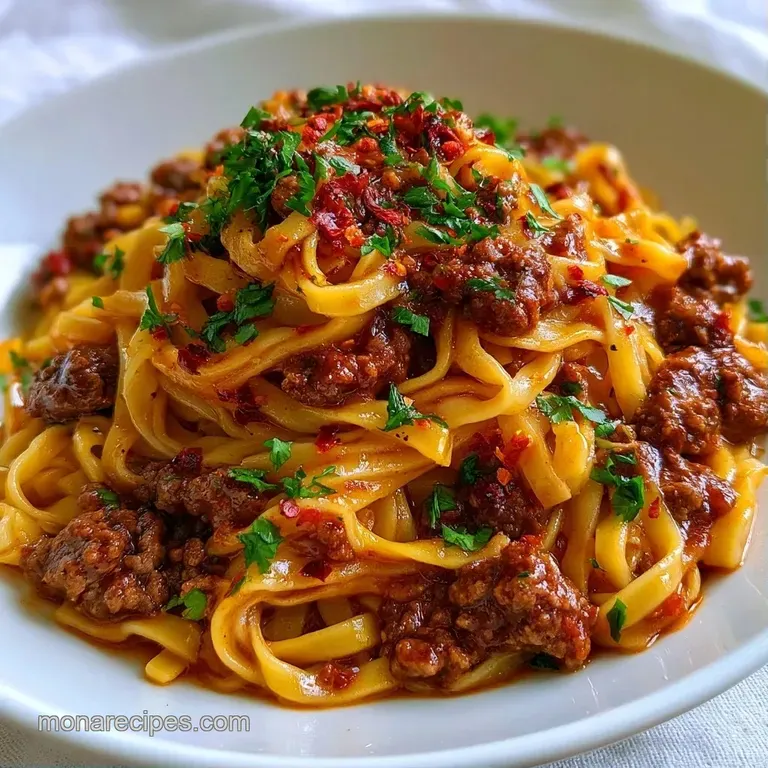
Troubleshooting Common Issues
| Issue | Solution |
|---|---|
| Why Your Sauce Is Too Thin | If your sauce is more of a soup than a glaze, it usually means the cornstarch didn't activate or the heat wasn't high enough. The sauce needs to reach a simmer to thicken. |
| Why Your Beef Is Greasy | This happens when using beef with a high fat content or not draining the pan. A greasy pan prevents the sauce from adhering to the meat, resulting in a separated, oily mess. |
| Why Your Noodles Are Mushy | Overcooking the noodles before they hit the pan is the main culprit. Since they cook for another minute or two in the hot sauce, they can easily become overdone. |
Common Mistakes Checklist
- ✓ Always whisk cornstarch into cold liquid.
- ✓ Brown the beef until it's actually crispy, not just grey.
- ✓ Use a large enough pan to avoid steaming the meat.
- ✓ Undercook noodles by 1 minute if using rice noodles.
- ✓ Don't burn the garlic; add it only after the beef is browned.
Ways To Customize
If you want to add some greens, this is the perfect spot. I love tossing in some sliced bell peppers or snap peas during the aromatic phase. Just sauté them for 2 minutes before adding the sauce. If you're looking for something different but similar, you might enjoy my Easy Ground Beef Ramen for a soupier version of this flavor profile.
For those who can't handle heat, skip the red pepper flakes entirely. On the other hand, if you want a real kick, add a teaspoon of Sriracha or a drizzle of chili oil at the very end. If you're avoiding hoisin, you can use a mix of honey and a bit of extra soy sauce, though you'll lose some of that fermented depth.
Using Different Proteins
While beef is the classic choice, ground turkey works surprisingly well here. Because turkey is leaner, you might need an extra tablespoon of oil in the pan to keep it from sticking. Ground pork also works, giving it a flavor closer to some traditional Dan Dan noodles.
Choosing Your Noodle
Linguine is great for a "fusion" feel, but thick rice noodles make the dish feel more authentic. If you're going low carb, zoodles (zucchini noodles) work, but don't cook them in the pan for too long or they'll release too much water and thin out the sauce.
| Goal | Adjustment | Result |
|---|---|---|
| More Veggies | Add carrots/broccoli | More color and nutrition |
| Extra Spicy | Add fresh Thai chilis | Intense, sharp heat |
| gluten-free | Use Tamari + Rice Noodles | Safe for Celiacs |
Truth About Beef Myths
You've probably heard that searing meat "locks in the juices." This is actually a myth. Searing creates a crust that tastes great, but it doesn't stop moisture from leaving the meat. The reason we sear these Mongolian Ground Beef Noodles is for the flavor of the browned bits, not to keep the beef "juicy."
Another one is that you have to use a wok for stir fries. While a wok is great for heat distribution, any wide, heavy bottomed skillet will do the job. The key is the surface area; you just need enough room so the meat browns instead of boiling in its own juices.
Storage And Waste
Fridge Storage
Store leftovers in an airtight container for up to 4 days. The noodles will absorb some of the sauce as they sit, so they might look a bit drier when you take them out.
Reheating Tips
Avoid the microwave if you can, as it can make the noodles rubbery. Instead, toss them back into a skillet over medium heat with a tiny splash of beef broth or water. This loosens the sauce and brings back that velvety texture.
Freezer Safety
I don't typically recommend freezing this dish because the noodles can lose their structure and become mushy. However, you can freeze the cooked beef and sauce mixture (without the noodles) for up to 2 months. Just boil fresh noodles when you're ready to eat.
Zero Waste Tips
Don't throw away the roots of your green onions! I keep them in a small jar of water on my windowsill, and they grow back in a couple of weeks. Also, if you have leftover beef broth, freeze it in ice cube trays to use for future sauces or deglazing your pan.
Great Side Dishes
Since this is a pretty heavy, savory dish, I love pairing it with something light and acidic. A simple cucumber salad with rice vinegar and sesame seeds cuts right through the richness of the beef.
If you want a full spread, you could serve this alongside some steamed bok choy or a side of jasmine rice for those who find the noodles aren't enough. For another hearty beef option to rotate into your weekly menu, check out my Korean Beef and Broccoli which uses a similar flavor profile but with a different texture.
Right then, you've got everything you need to nail these Mongolian Ground Beef Noodles. It's a simple, budget friendly meal that doesn't skimp on the flavor. Just remember to get that beef crispy and don't rush the sauce reduction. Trust me, the wait for that mahogany glaze is totally worth it. Let's get cooking!
Very High in Sodium
1901 mg 1,901 mg of sodium per serving (83% 83% of daily value)
The American Heart Association recommends a daily sodium limit of no more than 2,300 mg to lower the risk of hypertension and heart disease.
Tips to Reduce Sodium
-
Swap the Soy Sauce-30%
Replace the standard soy sauce with low-sodium soy sauce or coconut aminos to significantly cut the salt content.
-
Use Low-Sodium Broth-30%
Switch the beef broth to a no-salt added or low-sodium beef broth version.
-
Modify the Hoisin-20%
Use a low-sodium hoisin sauce or reduce the amount by half and add a pinch more brown sugar for balance.
-
Boost Fresh Aromatics
Double the amount of fresh garlic and grated ginger to enhance the savory profile without needing extra salt.
Recipe FAQs
Can you use ground beef for Mongolian Beef?
Yes, it is a great alternative. Ground beef creates a hearty, cohesive texture that clings well to the noodles and sauce.
What kind of noodles are best for Mongolian Beef?
Linguine or thick rice noodles. These shapes are sturdy enough to hold up to the heavy glaze without breaking.
What is the sauce for Mongolian noodles?
A savory sweet glaze. It is made by whisking together soy sauce, brown sugar, hoisin, beef broth, cornstarch, and red pepper flakes.
How to stop the ground beef from being too greasy?
Drain excess fat after browning. Remove oil from the pan before adding garlic and ginger to ensure the sauce adheres to the meat.
How to fix the sauce if it stays too thin?
Simmer the mixture until it bubbles. The sauce must reach a simmer for the cornstarch to activate and thicken into a glossy syrup.
Is it true that you must use wheat noodles for this dish?
No, this is a common misconception. Thick rice noodles work just as well as linguine for this recipe.
How to prevent the noodles from becoming mushy?
Avoid overcooking them before adding to the skillet. Cook them slightly under done, as they will finish heating through when tossed in the sauce.
Mongolian Ground Beef Noodles