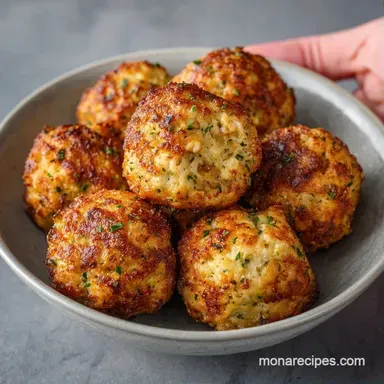
Healthy Turkey Beef Meatballs: Tender and Golden
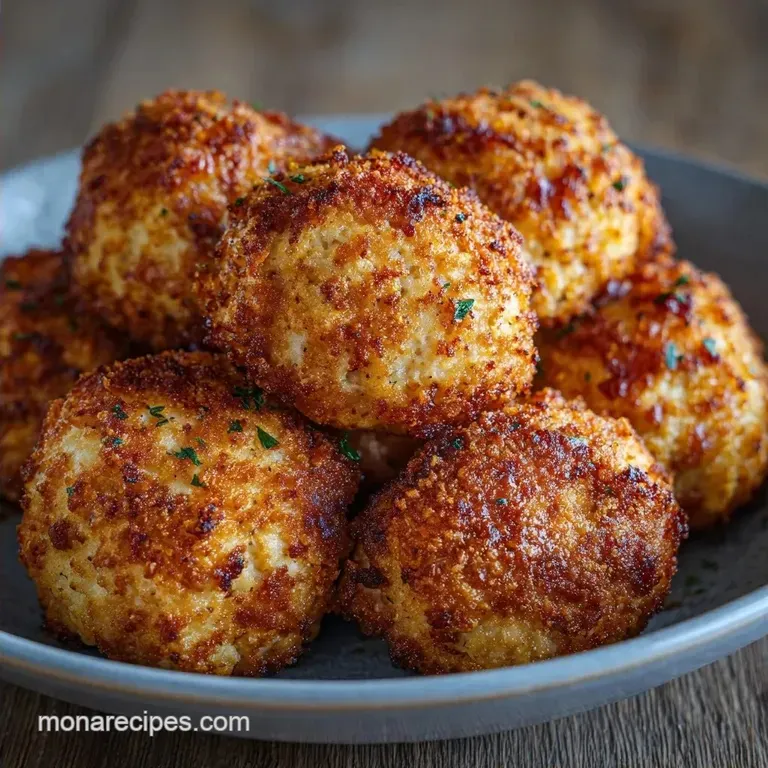
- Time: 15 min active + 20 min baking
- Flavor/Texture Hook: Golden brown crust with a tender, velvety center
- Perfect for: Weeknight family dinners or meal prep
Turkey Beef Meatballs That Actually Taste Great
That first sizzle when the meat hits the hot pan or the smell of garlic and oregano filling the kitchen is what makes this dish. For a long time, I lived under the impression that turkey meatballs were just "health food" that tasted like cardboard.
I’d try to make them lean, and they’d come out of the oven feeling like rubber balls. I thought the only way to get a real meatball was to use all beef, but that often felt too heavy for a Tuesday night.
But here's the thing: you don't need to sacrifice flavor for a lighter option. The secret isn't in some fancy ingredient, it's just in the ratio. By mixing ground turkey and ground beef, you get the best of both worlds. You get that classic, savory beef punch, but the turkey keeps the overall dish from feeling greasy.
These Turkey Beef Meatballs are my go to because they don't shrink into tiny pebbles in the oven. They hold their shape, stay moist, and actually take on the flavors of the herbs. If you've been avoiding turkey in your meatballs because of that dry texture, trust me on this blend.
It's the most reliable way to get a tender result every single time.
Why This Blend Hits Differently
Most people struggle with turkey meatballs because turkey is too lean. It doesn't have the internal fat to keep the meat lubricated as it cooks. When you add beef, you're adding "insurance" for the texture.
- The Fat Balance
- Beef provides the lipids that coat the turkey proteins, preventing them from tightening up and becoming tough.
- Moisture Retention
- Panko breadcrumbs act like tiny sponges, soaking up the juices that usually leak out during baking.
- The Binder Effect
- The egg and parmesan create a matrix that holds everything together, so the meatballs don't flatten into patties.
- Aeration
- Gently folding the meat instead of kneading it keeps air in the mixture, which leads to a lighter bite.
| Fresh Ingredients | Shortcut Options | Impact | Savings |
|---|---|---|---|
| Fresh Parsley | Dried Parsley | Less brightness | $1.00 |
| Fresh Garlic | Garlic Powder | Milder flavor | $0.50 |
| Panko Crumbs | Regular Breadcrumbs | Denser texture | $0.20 |
Breaking Down the Ingredients
When you're looking at the components, the goal is balance. We aren't just throwing meat in a bowl; we're building a structure. If you've enjoyed my Greek Ground Turkey Skillet, you'll recognize some of the flavor profiles here, but the addition of beef changes the depth of the dish.
For the Meat Base
The meat is the star, but the quality of the grind matters. I prefer 93% lean turkey and 90% lean beef. If you go too lean (like 99% turkey), the meatballs will be dry regardless of the beef. If you go too fatty, they'll shrink and leave a pool of oil on your baking sheet.
For the Flavor & Bind
The panko is a specific choice here. Unlike traditional breadcrumbs, panko is coarser. This creates tiny pockets of air and moisture. The parmesan doesn't just add salt; it adds umami, which makes the turkey taste "meatier."
| Ingredient | Science Role | Pro Secret |
|---|---|---|
| Large Egg | Protein Binder | Beat it slightly before adding for even distribution |
| Panko | Hydration Agent | Toast them in a pan for 2 mins for a nuttier taste |
| Parmesan | Flavor Enhancer | Use the finely grated kind so it melts into the meat |
| Garlic | Aromatic | Mince it into a paste to avoid raw chunks |
Tools for the Job
You don't need a professional kitchen for this, but a few specific tools make it way easier. I always use a large stainless steel bowl because plastic can sometimes retain smells from the garlic.
For the baking, a rimmed baking sheet is mandatory. If you use a flat cookie sheet, the fat might drip over the edge and start a grease fire in your oven. Parchment paper is the real winner here. It prevents the meatballs from sticking and means you won't spend ten minutes scrubbing the pan later.
If you have a digital meat thermometer, use it. It's the only way to be 100% sure they are cooked through without cutting into them and letting all the juice escape.
Step by step Baking Guide
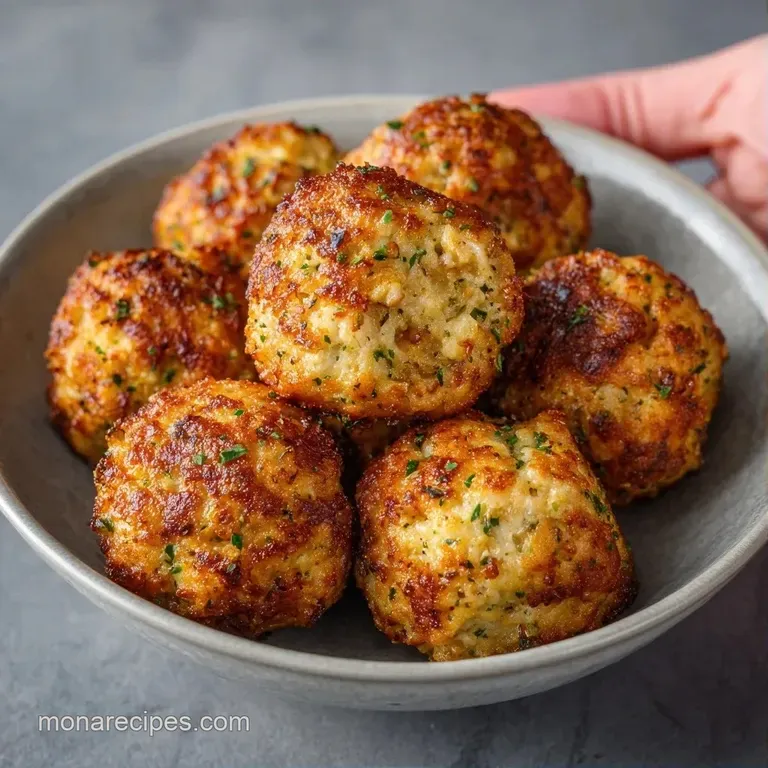
Right then, let's get into the actual process. The key here is to be gentle. Think of this more like mixing a cake batter than kneading bread.
- Combine the ground turkey, ground beef, egg, panko breadcrumbs, parmesan cheese, minced garlic, parsley, oregano, salt, black pepper, and red pepper flakes in your large bowl.
- Gently fold the ingredients together using your hands or a fork just until combined. Note: Stop the moment you don't see any more streaks of egg; over mixing makes them rubbery.
- Preheat your oven to 400°F (200°C) and line your baking sheet with parchment paper.
- Portion the mixture into 1.5 inch spheres. Note: Use a cookie scoop for perfectly even sizes so they all cook at the same rate.
- Place them on the baking sheet with 1 inch of space between each meatball.
- Bake for 15–20 minutes until the tops are browned and the internal temperature reaches 165°F (74°C).
- Remove from the oven and let the Turkey Beef Meatballs rest for 5 minutes. Note: Resting allows the juices to redistribute so they don't run out on the first bite.
Chef's Note: If you want an extra dark crust, turn on the broiler for the last 2 minutes of cooking. Just stay close and watch them, as they can go from golden to burnt in about 30 seconds.
Fixing Common Meatball Mistakes
Even the best of us mess up a batch sometimes. Usually, it comes down to how the meat was handled or how the oven was loaded.
Meatballs Falling Apart
If your meatballs are crumbling, you likely didn't use enough binder or the meat was too wet. This often happens if you use "hand packed" meat from the butcher that has a lot of excess moisture.
Pale, Boiled Looking Meatballs
This happens when the pan is too crowded. If the meatballs are touching, they steam each other instead of roasting. This results in a grey color instead of a beautiful brown crust.
The "Rubber Ball" Effect
This is the classic turkey mistake. It's almost always caused by over mixing. When you work the meat too much, you develop too many protein bonds, turning a tender meatball into a bouncy ball.
| Problem | Root Cause | Solution |
|---|---|---|
| Cracking tops | Not enough egg | Add 1 tbsp of whisked egg to the mix |
| Too salty | Too much parmesan | Balance with a pinch of sugar or more panko |
| Mushy center | Underbaked | Cook for an extra 3-5 mins; check internal temp |
Common Mistakes Checklist:
- ✓ Did I stop mixing as soon as the ingredients combined?
- ✓ Is there at least an inch of space between each ball?
- ✓ Did I use parchment paper to prevent sticking?
- ✓ Did I check the internal temperature with a thermometer?
- ✓ Did I let them rest before serving?
Customizing Your Batch
One of the reasons I love Turkey Beef Meatballs is that they're like a blank canvas. Once you have the base ratio down, you can change the vibe completely.
If you're feeling something different, you can try a spicy Italian twist by adding a pinch of crushed fennel seeds and extra red pepper flakes. For a more modern take, stir in a tablespoon of basil pesto before rolling the balls. It adds a bright, herbaceous note that pairs well with the turkey.
For those skipping the grains, you can replace the panko with almond flour. It works surprisingly well, though the texture will be slightly denser. If you're avoiding dairy, swap the parmesan for a nutritional yeast blend or just omit it and add a bit more salt and garlic powder. This is similar to how I handle the Turkey and Beef Meatloaf recipe, where the balance of flavors is more important than any single ingredient.
Decision Shortcut: If you want a crispy exterior → Use the broiler for 2 minutes at the end. If you want a softer, "stewed" texture → Simmer them in sauce for 10 minutes after baking.
If you're serving a crowd → Freeze them raw and bake from frozen (add 5 mins to cook time).
Storing and Reheating Your Meatballs
Don't let these go to waste. Because they're baked and not fried, they actually hold up better in the fridge.
Fridge Storage
Store your leftovers in an airtight container for up to 4 days. I recommend letting them cool completely before sealing the lid; otherwise, you'll get condensation, which makes the crust soggy.
Freezer Storage
These are perfect for meal prep. Freeze them on a baking sheet first for an hour so they don't stick together, then toss them into a freezer bag. They'll stay good for up to 3 months.
Pro Reheating Tip
Avoid the microwave if you can. It tends to make the turkey rubbery. Instead, pop them in the oven or an air fryer at 350°F (175°C) for about 8-10 minutes. This brings back the crispiness of the outer shell.
Best Ways to Serve Them
The beauty of this recipe is that it fits into almost any meal plan. You can go traditional or get a bit more creative.
The Classic Comfort
Serve them over a bed of al dente spaghetti with a rich marinara sauce. The acidity of the tomato cuts through the richness of the beef perfectly. Garnish with a bit more fresh parsley and a sprinkle of parmesan.
The Health Forward Plate
Instead of pasta, try serving your meatballs over zoodles or cauliflower mash. You can also toss them into a big bowl of sautéed spinach and kale. Since these are leaner than all beef versions, they feel a lot lighter when paired with greens.
The Quick Lunch
I love putting these in a toasted hoagie roll with melted provolone and a smear of pesto. It's a fast way to use up leftovers that feels like a treat. Just make sure to toast the bun first so it doesn't get soggy from the meat juices.
One last tip: Don't be afraid to let the meatballs brown. That brown crust is where all the flavor lives. Whether you're making a huge batch for a party or just a few for yourself, sticking to that 400°F temperature is what ensures you get that shatter crisp exterior and a velvety center.
Enjoy!
Recipe FAQs
Can you mix ground turkey and ground beef together in meatballs?
Yes, mixing them is recommended. Combining lean beef with turkey balances the rich flavor of the beef with the lighter profile of the turkey.
What is a good binder for turkey and beef meatballs?
Use a combination of egg and panko breadcrumbs. These ingredients bond the meat together and prevent the meatballs from crumbling during the baking process.
How to prevent meatballs from becoming rubbery?
Gently fold the ingredients together using your hands or a fork until just combined. Over mixing compresses the proteins, which leads to a tough, rubbery texture.
Is it true that you must fry meatballs to keep them moist?
No, this is a common misconception. Baking them at 400°F (200°C) on parchment paper preserves moisture without the need for excessive frying oil.
How to tell when turkey beef meatballs are fully cooked?
Use a meat thermometer to verify an internal temperature of 165°F (74°C). This ensures the turkey is cooked safely while preventing the beef from drying out.
What is the secret to keeping these meatballs moist?
Avoid over working the meat mixture. Stopping the moment the egg streaks disappear keeps the texture tender and juicy.
What other meals can I make with lean ground beef?
Try a fast stir fry or a rice bowl. If you enjoyed the ease of ground beef here, see how the same protein works in our Korean beef bowl.
Turkey Beef Meatballs