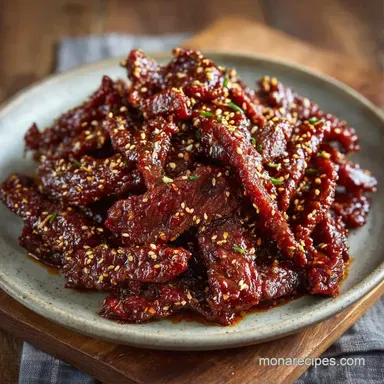
Korean Beef Stir Fry: Savory and Glossy
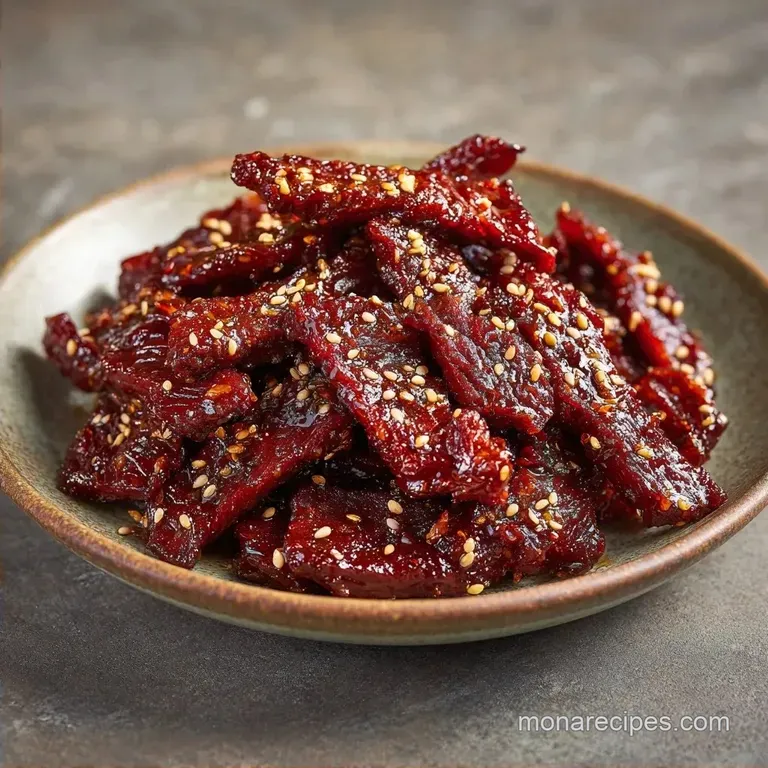
- Time:15 minutes prep + 10 minutes cook
- Flavor/Texture Hook: Velvety, glossy sauce with tender crisp broccoli
- Perfect for: Busy weeknight dinners or healthy meal prep
Korean Beef Stir Fry
That loud, aggressive sizzle when the beef hits a screaming hot pan is the sound of victory. For a long time, I struggled with my stir fries ending up as a sad, grey pile of boiled meat swimming in a watery pond.
I was following recipes that told me to "brown the meat," but I'd just stir it constantly, which basically steamed the beef in its own juices. It was a total letdown every single time.
Then I realized the trick: stop touching the meat. I started letting the beef sit undisturbed in the oil for a few minutes, letting that deep brown crust form. Once I made that switch, everything changed.
The flavor shifted from "bland cafeteria food" to something that actually tastes like it came from a street vendor in Seoul.
This Korean Beef Stir Fry is my go to fix for those nights when you're exhausted but craving something punchy. It's fast, it's budget friendly, and it doesn't require a fancy wok. You've got the heat from the gochujang, the salt from the soy, and that velvety finish that clings to every piece of broccoli. Trust me, once you stop stirring too early, you'll never go back.
The Secret to Better Searing
I used to think the pan wasn't hot enough, but the real issue was my impatience. Here is the actual logic behind why this version avoids the "grey meat" trap.
The Undisturbed Sear: By leaving the beef alone for 3 minutes, the moisture evaporates quickly, allowing the surface to brown deeply. This creates a concentrated flavor base that carries through the whole dish.
Starch Gelatinization: The cornstarch in the sauce doesn't just thicken the liquid; it creates a glossy coating. According to Serious Eats, using a starch slurry is the most reliable way to get that classic restaurant style sheen.
Aromatic Timing: We add the garlic at the very end of the vegetable sauté. Garlic burns in seconds at high heat, and burnt garlic tastes bitter, which would ruin the balance of the Korean Beef Stir Fry sauce.
Vegetable Sequence: Carrots take longer to soften than broccoli. By adding them in a specific order, we ensure the broccoli stays vibrant and snaps when you bite it, rather than turning into mush.
| Method | Prep Time | Texture | Best For |
|---|---|---|---|
| Stovetop | 15 minutes | Crispy edges, glossy sauce | Weeknight speed |
| oven-roasted | 25 minutes | Softer beef, roasted veg | Large crowds |
If you're in a real rush and don't even have time for the veg prep, you might like my Spicy Korean Beef Bowl which is even more stripped back.
The Ingredient Breakdown
I don't use expensive cuts for this. Lean ground beef is the way to go because it's budget friendly and absorbs the sauce beautifully.
| Ingredient | Science Role | Pro Secret |
|---|---|---|
| Gochujang | Fermented Heat | Adds a funky, deep umami that soy sauce alone can't provide |
| Cornstarch | Texture Modifier | Whisk it cold into the sauce to avoid clumps |
| Sesame Oil | Aromatic Finish | Add at the start for scent, but a drop at the end for shine |
| Brown Sugar | Balance | Cuts the salt of the soy and helps the sauce caramelize |
Essential Kitchen Tools
You don't need a professional kitchen, but a few things make a massive difference here.
First, a heavy bottomed skillet or a wok. Cast iron is brilliant because it holds onto heat, which is non negotiable for that beef crust. If you use a thin non stick pan, the temperature drops the second the meat hits the surface, and you're back to "grey beef city."
A sturdy whisk or a fork is needed for the sauce. You want that cornstarch completely dissolved before it hits the pan, otherwise, you'll get little white gelatin beads in your dinner. Finally, a sharp chef's knife for those carrots. Julienne them thin so they cook at the same speed as the broccoli florets.
Step by step Guide
Right then, let's crack on with the actual cooking. Make sure your sauce is mixed and your veg is chopped before you turn on the stove.
- Whisk the soy sauce, brown sugar, gochujang, sesame oil, ginger, and cornstarch in a small bowl. Note: Ensure the cornstarch is fully dissolved so the sauce is velvety.
- Heat vegetable oil in a cast iron skillet over medium high heat until it starts shimmering.
- Add the ground beef in a single layer and sear undisturbed for 3 minutes until a dark brown crust forms.
- Break the beef apart with a spatula and cook for another 2-3 minutes until no longer pink.
- Toss in the julienned carrots and broccoli florets.
- Stir fry the vegetables for 3-4 minutes until they are vibrant and tender crisp.
- Add the minced garlic and stir for 30 seconds until fragrant but not brown.
- Pour the Korean Beef Stir Fry sauce over the mixture.
- Stir constantly for 1-2 minutes until the sauce thickens into a glossy glaze.
- Stir in the green onions for 30 seconds and garnish with toasted sesame seeds.
Fix Common Cooking Mistakes
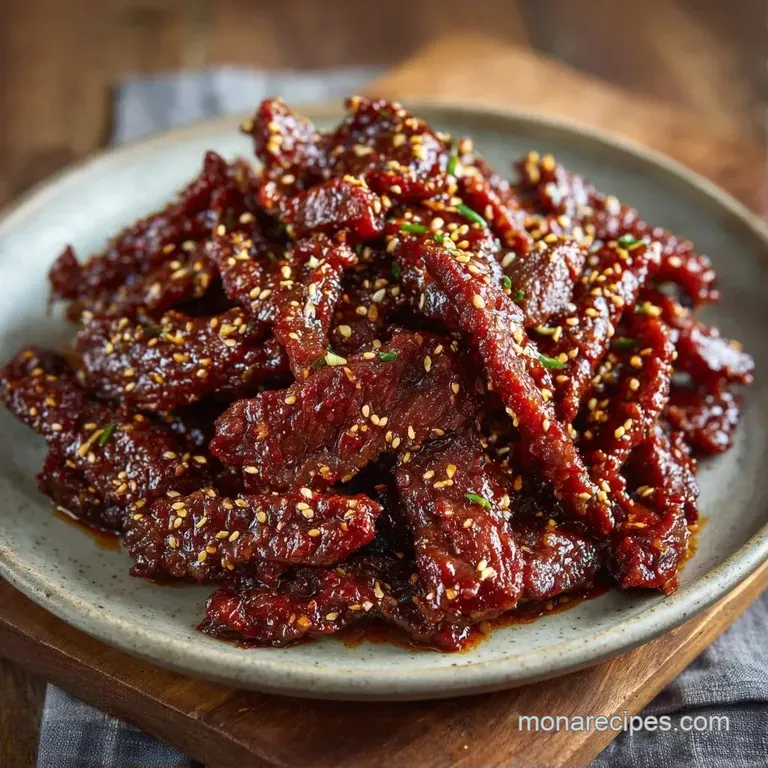
Even with a plan, things happen. I've accidentally burnt the garlic more times than I can count.
The Beef is Grey and Watery
This happens when the pan is too crowded or the heat is too low. The meat releases water, and instead of searing, it boils. To fix this, cook the beef in two batches if your pan is small, and don't stir for those first 3 minutes.
The Sauce is Too Thick
If the sauce turns into a paste, you've likely reduced it too much or the heat was too high. Just splash in a tablespoon of water or beef broth and stir it back over low heat until it loosens up.
The Garlic Burnt
If you see black specks of garlic, it's gone. You can't "un burn" it, and it will taste acrid. If this happens, wipe the pan quickly with a paper towel and start the garlic step over.
| Problem | Root Cause | Solution |
|---|---|---|
| Watery Sauce | Not enough cornstarch or over stirring | Simmer for 1 more minute |
| Mushy Veg | Overcooked broccoli | Remove veg from pan 1 min early |
| Bland Taste | Not enough soy/gochujang | Add a pinch of salt or extra soy |
Common Mistakes Checklist
- ✓ Did you let the beef sear for 3 full minutes without touching it?
- ✓ Is the cornstarch completely dissolved in the sauce?
- ✓ Did you add the garlic last to prevent burning?
- ✓ Are the carrots cut thin enough to cook quickly?
- ✓ Is the pan shimmering hot before the oil goes in?
Smart Swaps and Twists
One of the best things about this Korean Beef Stir Fry recipe is how flexible it is. Depending on what's in your fridge, you can pivot easily.
For a different texture, you can swap the ground beef for thinly sliced flank steak. If you do that, I highly recommend checking out my Korean Beef and Broccoli for tips on slicing meat against the grain.
If you want to make this more of a meal prep powerhouse, add some extra cabbage or snap peas. They hold up well in the fridge and don't get as soggy as some other greens. For those skipping grains, cauliflower rice is a great base that absorbs the sauce without adding heavy carbs.
| Original Ingredient | Substitute | Why It Works |
|---|---|---|
| Lean Ground Beef | Ground Turkey | Leaner option. Note: Less flavor, add extra ginger |
| Brown Sugar | Honey | Similar sweetness. Note: Makes the sauce stickier |
| Broccoli | Bok Choy | Similar crunch. Note: Cooks faster than broccoli |
| Soy Sauce | Tamari | gluten-free option. Note: Slightly richer taste |
If you're looking for something even more pungent, you can add a teaspoon of fish sauce to the mix. It sounds weird, but it adds a salty, fermented depth that makes the dish taste more authentic.
The Truth About Stir Fry
There are a few things people tell you about stir frying that are just plain wrong. Let's set the record straight.
First, the idea that you must have a wok to make this. While a wok is great for heat distribution, a cast iron skillet is actually better for ground beef because it provides more surface area for that initial sear. You don't need to spend $100 on a wok to get great results.
Second, the myth that searing "seals in the juices." It doesn't. Searing is about flavor, not moisture retention. The crust creates a complex taste through browning, but the "juiciness" comes from not overcooking the meat. Stop the heat the moment the beef is no longer pink.
Finally,, some people say you should marinate the ground beef. Honestly, don't even bother. Ground beef has so much surface area that the sauce coats it instantly in the pan. Marinating it actually makes the meat more likely to steam than sear.
Freshness and Storage
This dish is a dream for meal prep because it doesn't lose its punch in the fridge.
Storage: Store leftovers in an airtight container for up to 4 days in the fridge. The sauce actually thickens slightly as it cools, which makes it even better over rice the next day.
Freezing: You can freeze the cooked beef and veg for up to 2 months. I wouldn't recommend freezing it with the sauce already on, as the broccoli can get a bit mushy. Instead, freeze the seared beef and veg, then add fresh sauce when you reheat.
Zero Waste: Don't toss those broccoli stems! Peel the woody outer layer, slice the tender insides into thin rounds, and toss them in with the carrots. They have a great crunch and a slightly sweeter taste than the florets.
Also, save your onion skins and carrot peels in a freezer bag to make a quick vegetable stock later.
Serving Suggestions
To make this a full meal, you need a base that can handle the bold flavors of the Korean Beef Stir Fry.
The Classic Pairing: Steamed jasmine rice is the gold standard here. The neutral, floral notes of the rice balance out the spicy gochujang perfectly. If you want something heartier, brown rice adds a nutty flavor that complements the sesame oil.
The Fresh Contrast: Since the stir fry is rich and salty, add something bright on the side. A quick cucumber salad with rice vinegar, sugar, and a pinch of chili flakes is the perfect palate cleanser.
I also love topping the beef with extra sliced scallions and a squeeze of fresh lime juice right before eating to cut through the fat.
Noodle Options: If you're not in the mood for rice, toss the whole mixture with cooked udon or rice noodles. The thick noodles grab onto the glossy sauce, creating a more cohesive, comforting dish.
Decision Shortcut
- If you want a light meal → serve over cauliflower rice or steamed spinach.
- If you're feeding hungry kids → toss with udon noodles and extra carrots.
- If you're meal prepping → divide into containers with a scoop of quinoa.
High in Sodium
1050 mg 1,050 mg of sodium per serving (46% 46% of daily value)
The American Heart Association recommends a daily limit of 2,300 mg of sodium, with an ideal limit of 1,500 mg for most adults to reduce the risk of cardiovascular disease.
Tips to Reduce Sodium
-
Swap Soy Sauce-30%
Replace the reduced sodium soy sauce with coconut aminos, which provides a similar savory taste with significantly lower sodium content.
-
Adjust Gochujang-20%
Reduce the amount of gochujang and replace the lost heat with gochugaru (Korean chili flakes), which is not pre-salted.
-
Add Acidity-10%
Stir in a splash of rice vinegar or fresh lime juice; acidity tricks the taste buds into perceiving more salt than is actually present.
-
Enhance Aromatics
Double the amount of fresh ginger and garlic to create a bolder, more complex flavor profile that decreases the reliance on sodium.
Recipe FAQs
How to get a dark brown crust on the ground beef?
Sear the beef undisturbed for 2-3 minutes in shimmering oil. Breaking the meat apart too soon releases moisture, which steams the beef instead of browning it.
What can I serve as a side dish with this beef?
Steamed rice or quinoa are the best choices. For an added crunch, you might pair this meal with roasted chickpeas.
Is it true that I need a professional wok to make this stir fry?
No, this is a common misconception. A cast iron skillet works perfectly to achieve the high heat needed to sear the beef and glaze the vegetables.
How to prevent the vegetables from getting mushy?
Stir fry the carrots and broccoli for only 3-4 minutes. This ensures they remain vibrant and tender crisp rather than overcooking.
How to make the sauce glossy and thick?
Whisk cornstarch completely into the sauce before adding it to the pan. Stir constantly for 1-2 minutes over heat to activate the thickening agent into a glaze.
Can I use a different oil if I don't have vegetable oil?
Yes, any high smoke point oil works. Canola or grapeseed oil are excellent substitutes that can handle medium high heat without smoking.
How to store and reheat leftovers?
Store in an airtight container in the fridge for up to 4 days. Reheat in a skillet over medium heat with a splash of water to loosen the sauce.
Korean Beef Stir Fry