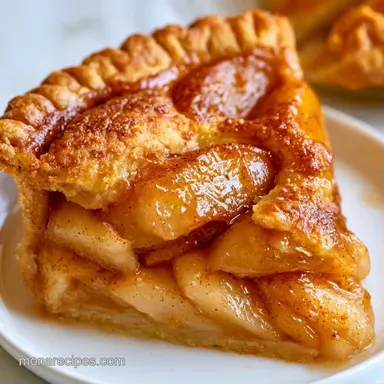
Fresh Pear Pie with Buttery Crust
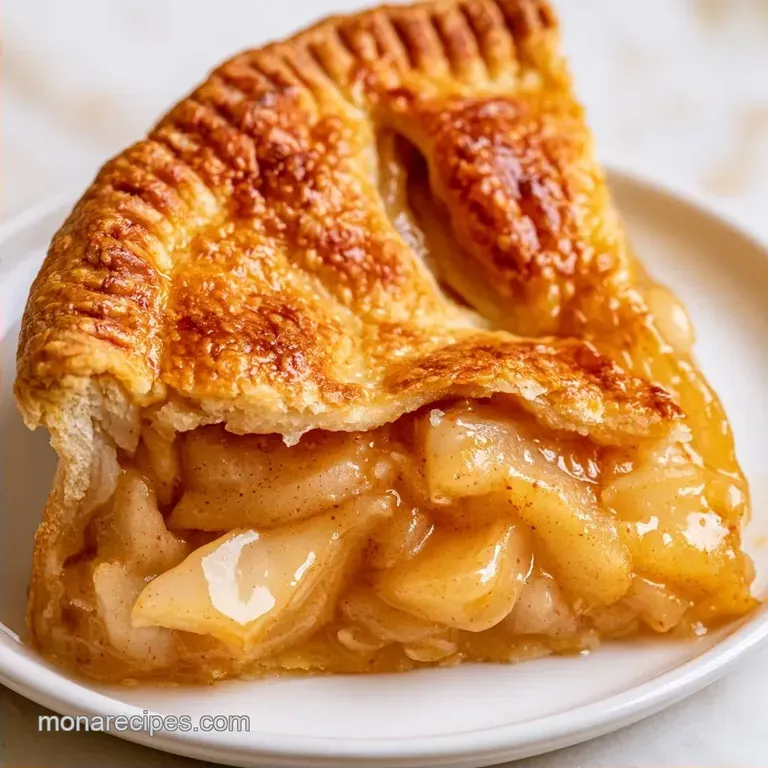
- Time: 30 min active + 1 hour chilling
- Flavor/Texture Hook: Shattering buttery crust with a jammy, spiced center
- Perfect for: Sunday family dinners or autumn potlucks
The smell of cinnamon and bubbling fruit hitting the oven air is the best part of autumn. I used to treat pears like they were just apple substitutes, but that's a mistake. Pears have a different cellular structure and way more water, which usually leads to a pie that collapses the second you slice it.
You want a crust that actually cracks when you hit it with a fork. This approach focuses on temperature control and specific fruit choices to ensure the filling stays thick and the pastry stays flaky.
We're aiming for a Fresh Pear Pie that balances the floral notes of Bosc pears with a sharp hit of lemon. It's a precise build, but once you see how the starch binds the juice, you'll never go back to guesswork.
Fresh Pear Pie Baking Guide
Starch Balance: Pears release more liquid than apples. Using 25g of cornstarch creates a stable gel that holds the slices in place.
Temperature Control: Keeping butter at 4°C ensures the fat doesn't melt into the flour. This creates the steam pockets that make the crust shatter.
Acid Addition: Lemon juice doesn't just stop browning. It cuts through the sugar, brightening the flavor of the Fresh Pear Pie.
| Fruit Type | Water Content | Texture After Bake | Best For |
|---|---|---|---|
| Fresh Bosc | Moderate | Holds shape well | Sliced Pies |
| Fresh Bartlett | High | Softer, jammier | Rustic Tarts |
| Canned Pears | Very High | Mushy/Soft | Quick Cobblers |
The Right Gear
Having a few specific tools on hand makes the process much easier. A pastry blender is the most efficient way to incorporate butter into the flour, though a fork works well if you have some wrist strength.
I recommend using a 9 inch deep dish pie plate. If the dish is too shallow, the filling may bubble over the sides and burn on the bottom of your oven.
A sharp paring knife is an absolute must. You need clean, uniform slices of pear to ensure they all cook at the same rate.
The Ingredients
The choice of pear is the hero here. I prefer Bosc because they stay firm during the 50 minute bake. If you use overripe pears, your Fresh Pear Pie will likely turn out too soft.
Ingredient Deep Dive
| Ingredient | Role | If You Don't Have It |
|---|---|---|
| Bosc Pears | Main structure and flavor | Anjou pears (softer) |
| Unsalted Butter | Creates flakiness | Cold coconut oil (harder) |
| Cornstarch | Thickens fruit juices | Arrowroot powder (1:1) |
| Lemon Juice | Prevents oxidation | Lime juice or citric acid |
Ingredients and Substitutes
For the Crust:
- 2 ½ cups (315g) all purpose flour
- 1 cup (225g) unsalted butter, chilled and cubedWhy this? High fat content for maximum flakiness
- 1 tsp (6g) granulated sugar
- 1 tsp (6g) salt
- 6-8 tbsp (90-120ml) ice water
For the Filling:
- 3 lbs (1.36kg) fresh Bartlett or Bosc pears, peeled, cored, and slicedWhy this? Bosc holds its shape best
- ½ cup (100g) granulated sugar
- ½ cup (110g) packed light brown sugar
- 3 tbsp (25g) cornstarch
- 1 tbsp (8g) ground cinnamon
- ¼ tsp (1g) ground ginger
- ¼ tsp (1g) salt
- 1 tbsp (15ml) fresh lemon juice
- 1 tsp (2g) lemon zest
- 2 tbsp (28g) unsalted butter, cut into small dots
For the Finish:
- 1 egg
- 1 tbsp water
- 1 tbsp (8g) coarse sanding sugar
| Original Ingredient | Substitute | Why It Works |
|---|---|---|
| All purpose Flour | Pastry Flour | Lower protein. Note: Makes crust more tender but fragile |
| Light Brown Sugar | Dark Brown Sugar | More molasses. Note: Deepens the color and flavor |
| Bosc Pears | Granny Smith Apples | Similar acidity. Note: Changes the profile to a hybrid pie |
Timing and Yield
This recipe serves 8 people. Be honest about the chilling time; if you skip the hour in the fridge, the crust will shrink during baking and leave you with a gap at the edges.
- Prep time:30 minutes
- Cook time:50 minutes
- Total time:2 hours 20 minutes
Precision Checkpoints: 1. Butter temp should be 4°C before adding to flour. 2. The internal filling temperature should reach 82°C to ensure cornstarch activation. 3. Roll the dough to a consistent 3mm thickness.
Baking the Pie
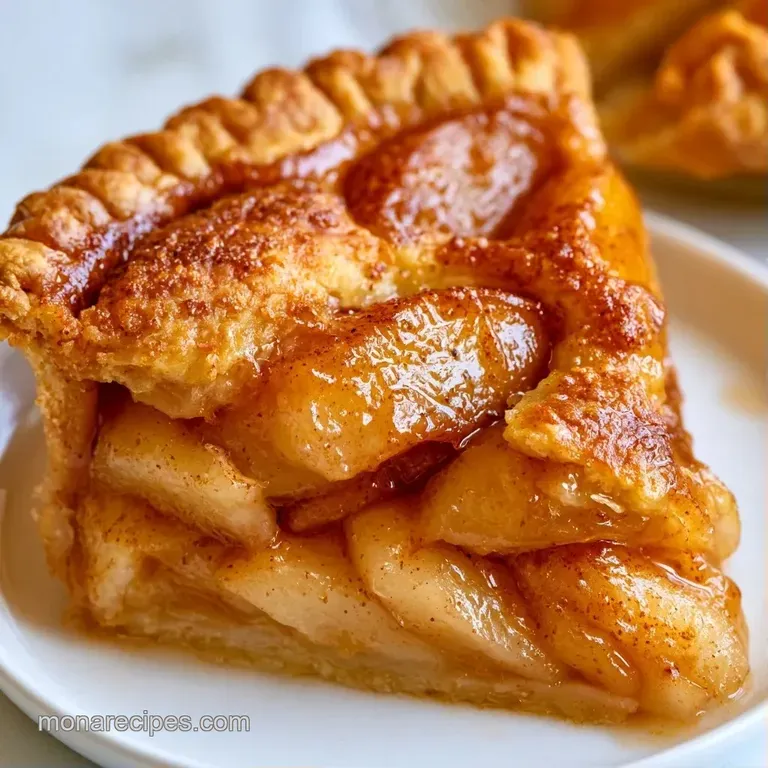
Phase 1: Prepping the Shattering Crust
- Whisk flour, sugar, and salt in a large bowl.
- Cut in chilled butter cubes using a pastry blender until the mixture looks like coarse crumbs with a few pea sized lumps.
- Drizzle in ice water one tablespoon at a time. Stir gently until the dough just clumps. Note: Over mixing here makes the crust tough.
- Divide dough into two discs, wrap in plastic, and refrigerate for 1 hour.
Phase 2: Crafting the Fresh Pear Pie Filling
- Toss sliced pears with lemon juice and zest. Do this immediately after slicing to stop the pears from turning brown.
- Whisk granulated sugar, brown sugar, cornstarch, cinnamon, ginger, and salt in a small bowl.
- Pour the spice mixture over the pears. Toss gently until every slice is coated.
Phase 3: Assembling and Baking to Gold
- Roll out the first disc and fit it into your pie plate. Fill with the pear mixture and dot the top with the 28g of butter.
- Roll out the second disc and place it over the top. Crimp the edges and cut small slits in the center.
- Brush with egg wash and sprinkle with sanding sugar. Bake 50 minutes until the crust is mahogany brown and the filling bubbles through the vents.
Fixing Common Issues
If the crust feels elastic or snaps back when you roll it, you've developed too much gluten. Stop immediately and put it back in the fridge for 20 minutes. This lets the proteins relax.
When the edges brown too quickly but the center is still pale, you need a shield. I usually wrap the rim in a strip of foil about 20 minutes into the bake.
For those struggling with a runny center, the cause is usually under cooking. The cornstarch needs to hit a specific temperature to thicken the liquid.
Managing Results
| Problem | Root Cause | Solution |
|---|---|---|
| Soggy Bottom | Butter melted too fast | Bake on a preheated baking sheet |
| Tough Crust | Over kneading dough | Use a light touch; stop when it clumps |
| Runny Filling | Under baked center | Bake an extra 5-10 mins until bubbling |
Storage and Waste
Keep your Fresh Pear Pie on the counter for 2 days, covered loosely. For longer storage, the fridge is your best bet for up to 5 days.
When reheating, avoid the microwave. It makes the crust gummy. Put a slice in a 180°C oven for 5-10 minutes to bring back that shatter.
Don't toss the pear cores and peels. I throw mine into a freezer bag and simmer them with water and a cinnamon stick to make a quick, light pear syrup for pancakes.
Making It Work
For a French Pear Pie Recipe twist, swap the cinnamon for a pinch of cardamom and add a tablespoon of almond flour to the crust. It gives it a subtle nuttiness that pairs well with Bosc pears.
If you want a Fresh Pear and Apple Pie blend, use a 50/50 split of pears and Granny Smith apples. This adds a tartness that cuts through the sweetness of the brown sugar.
For those who want something less structured, you might prefer a Pear Cobbler recipe which uses a biscuit topping instead of a full crust.
For a gluten-free version, use a 1:1 GF flour blend. Be aware that the crust will be more crumbly and won't stretch as much as the wheat version.
What to Serve
A scoop of vanilla bean ice cream is the standard, but a dollop of crème fraîche adds a tangy contrast that works brilliantly with the warm fruit.
If you're serving this for a brunch, pair a slice of Fresh Pear Pie with a sharp espresso. The bitterness of the coffee balances the cinnamon and sugar.
For those who want a lighter dessert, try an Easy Pear Cake as an alternative for a crowd.
Decision Shortcut:
- For a firmer set: add 5g more cornstarch.
- For a deeper flavor: roast pears 10 mins before filling.
- For a crispier base: bake on a preheated sheet.
Truths About Pear Pies
Searing pears before putting them in the pie doesn't "seal in flavor." It actually just removes moisture. While it can prevent a runny pie, it removes the fresh, floral quality of the fruit.
Some say you must use a specific "pie flour." You don't. Standard all purpose flour works perfectly as long as you keep the butter cold and avoid over working the dough.
This Fresh Pear Pie relies on the chemistry of cold fats and starch activation. Once you stop guessing and start following the temperature cues, you'll get a consistent result every time.
Recipe FAQs
Which pear varieties work best for pie?
Bartlett or Bosc pears. These varieties hold their shape well during baking and provide a balanced sweetness.
How ripe should my pears be for pear pie?
Firm but ripe. You want them to be just barely soft to the touch so they don't turn into mush in the oven.
Is it true that I don't need to peel pears for baking?
Surprisingly, no. Peeling is necessary for a smooth, professional texture in this specific pie filling.
Can pears be substituted for apples in most pastry recipes?
Yes, they work great. Pears are softer and juicier, so ensure you use cornstarch to avoid a soggy bottom. If you enjoyed mastering the thickener ratio here, the same logic applies to our creamy homemade blend.
What should I do with a surplus of fresh pears?
Make a large batch of preserves or freeze sliced pears. Toss them in lemon juice first to keep the color before freezing.
How do I prepare the pear slices to prevent browning?
Toss them with lemon juice and zest. This acidity keeps the fruit bright and fresh before you add the sugar mixture.
Fresh Pear Pie